In today’s digital age, the integration of advanced technology into educational settings has become a pivotal factor in enhancing the learning experience. One such technology that has gained significant attention is the wireless video matrix. As a supplier of wireless video matrix systems, I often encounter the question: Can a wireless video matrix be used in a classroom? In this blog post, I will explore the feasibility, benefits, and potential challenges of using a wireless video matrix in a classroom environment. Wireless Video Matrix

Feasibility of Using a Wireless Video Matrix in a Classroom
The concept of a wireless video matrix involves the ability to distribute multiple video sources to multiple displays wirelessly. This technology is based on high – speed wireless communication protocols, which allow for seamless transmission of video signals without the need for extensive cabling. In a classroom setting, the feasibility of using a wireless video matrix is quite high.
Modern classrooms are increasingly equipped with multiple display devices such as projectors, smart boards, and monitors. A wireless video matrix can connect these devices to various video sources like laptops, tablets, and media players. For example, a teacher can use their laptop to display educational videos, presentations, or interactive content on multiple screens simultaneously. This not only saves time in setting up cables but also provides a more flexible and dynamic teaching environment.
Moreover, the development of wireless standards such as Wi – Fi 6 and 5G has significantly improved the stability and speed of wireless video transmission. These standards can support high – definition video streaming, ensuring that the content displayed in the classroom is of high quality. With the widespread availability of these wireless technologies in educational institutions, the infrastructure required to support a wireless video matrix is already in place in many classrooms.
Benefits of Using a Wireless Video Matrix in a Classroom
Enhanced Flexibility
One of the most significant benefits of a wireless video matrix in a classroom is the enhanced flexibility it offers. Traditional wired video distribution systems are often limited by the length of cables and the physical layout of the classroom. With a wireless video matrix, teachers can easily move around the classroom while controlling the video content. They can connect their devices to the system from anywhere in the room, allowing for a more interactive and engaging teaching style.
For instance, a teacher can walk around the classroom, using a tablet to present different parts of a lesson on various displays. This mobility encourages student participation and makes the learning process more dynamic. Additionally, the wireless nature of the system allows for quick reconfiguration of the display setup. If the classroom layout needs to be changed for a group activity, the video matrix can be easily adjusted to accommodate the new arrangement.
Improved Collaboration
In a classroom, collaboration among students and between students and teachers is crucial for effective learning. A wireless video matrix can facilitate this collaboration by enabling multiple users to share their content on the same display. Students can connect their devices to the system and present their group projects, research findings, or creative works.
For example, in a science class, students can use their tablets to display the results of their experiments on the smart board. This not only allows for easy sharing of information but also promotes discussion and peer – to – peer learning. Teachers can also use the system to monitor and provide feedback on student work in real – time, enhancing the overall learning experience.
Cost – Effective Solution
Installing a traditional wired video distribution system can be expensive, especially in large classrooms or educational institutions. The cost of cables, connectors, and installation labor can add up quickly. In contrast, a wireless video matrix eliminates the need for extensive cabling, reducing both the initial installation cost and the long – term maintenance cost.
Furthermore, a wireless video matrix is a scalable solution. As the number of display devices or video sources in the classroom increases, the system can be easily expanded without the need for major infrastructure changes. This makes it a cost – effective option for educational institutions looking to upgrade their technology infrastructure.
High – Quality Video Transmission
With the advancements in wireless technology, a wireless video matrix can provide high – quality video transmission. It can support 4K resolution and high – frame – rate video, ensuring that the educational content is clear and sharp. This is particularly important for subjects such as art, design, and science, where detailed visual information is essential for learning.
For example, in an art class, students can view high – resolution images of famous paintings on the display, allowing them to study the details and techniques used by the artists. The high – quality video transmission also enhances the viewing experience for educational videos and multimedia presentations.
Potential Challenges of Using a Wireless Video Matrix in a Classroom
Wireless Interference
One of the main challenges of using a wireless video matrix in a classroom is wireless interference. In a typical educational institution, there are many wireless devices operating simultaneously, such as Wi – Fi routers, smartphones, and tablets. These devices can cause interference with the wireless video matrix system, leading to signal degradation and video quality issues.
To mitigate this problem, it is important to choose a wireless video matrix system that operates on a less congested frequency band. Additionally, proper placement of the wireless access points and careful configuration of the system can help reduce interference. Some advanced wireless video matrix systems also have built – in interference detection and mitigation mechanisms.
Security Concerns
Security is another important consideration when using a wireless video matrix in a classroom. Since the system relies on wireless communication, there is a risk of unauthorized access to the video content. Educational institutions need to ensure that the wireless video matrix system is properly secured with encryption and authentication mechanisms.
For example, the system should use WPA3 encryption to protect the wireless network from unauthorized access. Teachers and students should also be educated on the importance of using strong passwords and following security best practices when connecting their devices to the system.
Compatibility Issues
Compatibility can be a challenge when integrating a wireless video matrix with different types of display devices and video sources. Not all devices may support the wireless protocols used by the video matrix system. For example, older laptops or tablets may not be able to connect to the system wirelessly.
To address this issue, it is important to choose a wireless video matrix system that is compatible with a wide range of devices. Some systems also offer adapters or converters to ensure compatibility with older devices. Additionally, regular software updates can help improve the compatibility of the system with new devices.
Conclusion
In conclusion, a wireless video matrix can be a valuable addition to a classroom environment. It offers enhanced flexibility, improved collaboration, cost – effectiveness, and high – quality video transmission. However, there are also potential challenges such as wireless interference, security concerns, and compatibility issues that need to be addressed.
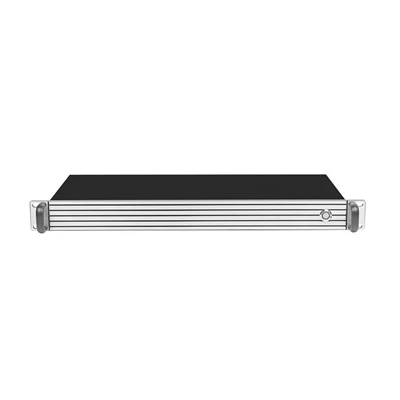
As a supplier of wireless video matrix systems, I am committed to providing solutions that meet the specific needs of educational institutions. Our systems are designed to be reliable, secure, and easy to use. We offer comprehensive support and training to ensure that teachers and students can make the most of the technology.
Presentation & Collaboration If you are interested in exploring the use of a wireless video matrix in your classroom or educational institution, I encourage you to contact us for a consultation. We can help you assess your needs, recommend the most suitable system, and provide you with a detailed quote. Let us work together to create a more engaging and effective learning environment.
References
- "Wireless Video Transmission Technologies: A Review", Journal of Electrical and Electronics Engineering
- "The Impact of Technology on Education", Educational Research Quarterly
- "Best Practices for Wireless Network Security in Educational Institutions", Network Security Journal
Shenzhen TranScreen Technology Co., Ltd.
As one of the most professional wireless video matrix manufacturers and suppliers in China, we have world-leading production equipment and strong manufacturing capabilities. Please feel free to buy customized wireless video matrix made in China here from our factory. Contact us for quotation.
Address: No. 168, Baoyuan Road, Baoan Dst., SZ, China
E-mail: inquiry@transcreen.com
WebSite: https://www.transcreen.com/
