In today’s dynamic business landscape, cross – functional collaborative teams have become the norm. These teams bring together individuals with diverse skills, backgrounds, and perspectives from different departments within an organization. As a Presentation & Collaboration supplier, I’ve had the privilege of working with numerous cross – functional teams, witnessing both their challenges and triumphs when it comes to presentations. In this blog, I’ll share some of the best practices for presenting in a cross – functional collaborative team. Presentation & Collaboration
Understanding the Audience
The first step in any successful presentation is understanding your audience. In a cross – functional team, the audience can be a mix of people from various departments such as marketing, finance, engineering, and human resources. Each department has its own jargon, priorities, and concerns. For example, marketers may be more interested in brand image and customer engagement, while engineers focus on technical details and functionality.
To tailor your presentation to the audience, you need to do your homework. Before the presentation, have conversations with team members from different departments to understand their interests and expectations. Use plain language and avoid technical jargon that may not be understood by everyone. If you need to use technical terms, provide clear explanations. For instance, if you’re presenting a new software product to a cross – functional team, instead of using complex coding terms, explain how the software will benefit the business in terms of efficiency, cost – savings, and user experience.
Defining Clear Objectives
A cross – functional presentation should have clear and well – defined objectives. What do you want the audience to take away from the presentation? Is it to gain approval for a new project, to share progress updates, or to solicit feedback? Having clear objectives will help you structure your presentation and keep it focused.
Once the objectives are defined, communicate them clearly to the team members involved in the presentation. This ensures that everyone is on the same page and working towards the same goal. For example, if the objective is to gain approval for a new marketing campaign, the presentation should focus on the campaign’s goals, target audience, strategies, and expected outcomes.
Teamwork and Coordination
Effective teamwork and coordination are crucial for a successful cross – functional presentation. Since team members come from different departments, they may have different work styles and communication preferences. It’s important to establish a clear communication channel and a timeline for the presentation.
Assign roles and responsibilities to each team member based on their expertise. For example, the marketing team member can handle the branding and messaging aspects, while the finance team member can present the budget and financial projections. Regular team meetings should be held to discuss progress, address any issues, and ensure that everyone is contributing effectively.
During the presentation, team members should support each other. If one team member is presenting a complex topic, others can provide additional context or examples. For instance, if the engineering team member is presenting the technical features of a product, the sales team member can share how these features will translate into customer benefits.
Storytelling
Storytelling is a powerful tool in presentations, especially in a cross – functional setting. People are more likely to remember a story than a list of facts and figures. A well – crafted story can engage the audience, evoke emotions, and make the presentation more memorable.
When creating a story for your presentation, start with a hook to grab the audience’s attention. This could be a surprising statistic, a relevant anecdote, or a thought – provoking question. Then, build the story around the key points you want to convey. For example, if you’re presenting a new product launch, you can tell the story of how the product was developed, the challenges faced, and the solutions found.
Use visual aids such as images, videos, and infographics to enhance the storytelling. Visuals can help the audience better understand the story and make it more engaging. For instance, if you’re telling the story of a marketing campaign, you can show before – and – after images of the brand’s social media presence.
Visual Design
The visual design of your presentation plays a significant role in its effectiveness. A well – designed presentation can make the information more accessible and engaging. Use a consistent color scheme, font style, and layout throughout the presentation.
Avoid overcrowding the slides with too much text. Instead, use bullet points, images, and charts to convey the information. For example, if you’re presenting financial data, use a bar chart or a pie chart to make it easier for the audience to understand the trends and relationships.
Make sure the visual elements are relevant to the content. For instance, if you’re presenting a new product, use high – quality images of the product from different angles. Also, ensure that the visual aids are easy to read and understand from a distance.
Rehearsal
Rehearsing the presentation is essential for a smooth and confident delivery. In a cross – functional team, each team member should rehearse their part individually and then as a group. This helps to identify any issues with the flow of the presentation, the timing, and the transitions between different speakers.
During the rehearsal, pay attention to your body language, tone of voice, and pace. Maintain eye contact with the audience, use appropriate gestures, and speak clearly and confidently. If possible, record the rehearsal and watch it back to identify areas for improvement.
Handling Questions and Feedback
After the presentation, be prepared to handle questions and feedback from the audience. Encourage the audience to ask questions and provide constructive feedback. Listen carefully to their questions and address them in a clear and concise manner.
If you don’t know the answer to a question, don’t try to bluff. Instead, admit that you don’t know and offer to follow up with the answer later. Use the feedback as an opportunity to improve your presentation and your overall approach.
Continuous Improvement
Presenting in a cross – functional team is an ongoing learning process. After each presentation, conduct a post – presentation review with the team. Discuss what went well and what could be improved. Use this feedback to refine your presentation skills and the presentation process.
Keep up with the latest trends and best practices in presentation and collaboration. Attend training sessions, read industry blogs, and network with other professionals in the field. By continuously improving, you can ensure that your cross – functional presentations are always effective and impactful.
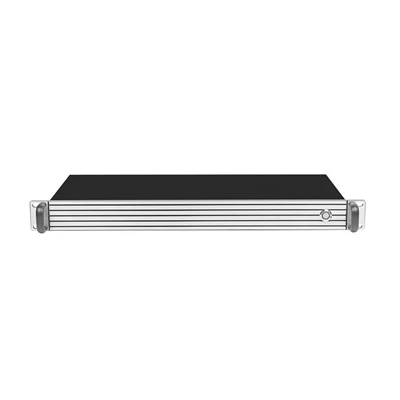
As a Presentation & Collaboration supplier, we understand the unique challenges and opportunities that come with presenting in a cross – functional team. We offer a range of services and solutions to help you create and deliver successful presentations. Whether it’s providing presentation design services, training your team on presentation skills, or offering collaboration tools, we’re here to support you.
Transmitter If you’re interested in learning more about how we can help your cross – functional team with presentations, we invite you to reach out to us for a procurement discussion. We look forward to the opportunity to work with you and help you achieve your presentation goals.
References
- Anderson, C. (2019). The Storyteller’s Secret: From TED Speakers to Business Leaders, Why Some Ideas Catch On and Others Don’t. Portfolio Penguin.
- Guffey, M. E., & Loewy, D. (2018). Business Communication: Process and Product. Cengage Learning.
- Pink, D. H. (2018). To Sell Is Human: The Surprising Truth About Moving Others. Riverhead Books.
Shenzhen TranScreen Technology Co., Ltd.
As one of the most professional presentation & collaboration manufacturers and suppliers in China, we have world-leading production equipment and strong manufacturing capabilities. Please feel free to buy customized presentation & collaboration made in China here from our factory. Contact us for quotation.
Address: No. 168, Baoyuan Road, Baoan Dst., SZ, China
E-mail: inquiry@transcreen.com
WebSite: https://www.transcreen.com/
