Hey everyone, it’s Jake here, founder of this little flat springs shop that’s been keeping all kinds of industries running for the past 12 years. Let’s cut to the chase—if you’re reading this, chances are you’ve dealt with flat springs rusting out way too early, right? Maybe your ones failed in a marine application, started pitting in a food processing line, or corroded so bad they couldn’t hold the tension they were supposed to. I get it. Corrosion is the silent killer of flat springs, and it doesn’t just mess up your parts—it messes up your whole production timeline. Over the years, I’ve worked with thousands of clients (from small bakery guys needing spring clips for dough sheeters to aerospace engineers cranking out satellite parts) and learned a ton about actually making flat springs last way longer. No fancy jargon, no overpriced solutions that don’t work—just real stuff that’s stood the test of time. Flat Springs
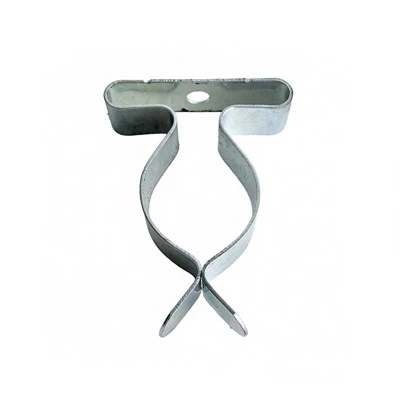
First off, let’s talk why flat springs corrode in the first place, because you can’t fix a problem if you don’t get the root cause. Flat springs are usually made from metals like steel, stainless steel, copper alloys, or even titanium, but none of those are corrosion-proof on their own. Most common culprits? Exposure to moisture, salt (especially if it’s marine or coastal), chemicals like cleaning agents or oils, and even constant temperature swings—like those hot and cold cycles in HVAC systems that make condensation form on the spring. What happens is, the metal’s surface oxidizes (that’s rust for steel), and over time, that pitting eats away at the spring’s thickness and changes its tension. A corroded flat spring won’t flex right, might snap suddenly, or stop holding the load it’s supposed to. We’ve had clients send back springs that lasted only 3 months because they were used outdoors without any protection—total rookie move, but easy to fix once you know what to do.
Now, the good stuff: how to actually improve corrosion resistance for flat springs, tailored to what you actually use them for. Let’s break this down by material first, because that’s the foundation of everything. If you’re using regular carbon steel flat springs (the cheap, go-to for a lot of stuff), you might think you’re stuck, but no—there are way better options than just leaving them bare. Wait, and before I get hate from the purists, I’m not saying stainless steel is always the answer. Stainless does corrode, too, especially the 304 grade—if you put it in saltwater, it’ll get pitted faster than carbon steel sometimes, because of chloride ions messing with its passive layer. If you need a stainless steel option, go for 316 grade. It’s got more molybdenum, so it stands up to salt and chemicals way better. We switched all our marine-grade flat springs to 316 a few years back, and the return rate from boat builders dropped by like 70%—game changer.
But for carbon steel, which is way cheaper and stronger for a lot of load-heavy applications, the coating is non-negotiable. Not all coatings are the same, though. Let’s skip the bad ones first—like basic paint or powder coating. Yeah, they look good, but if they chip or scratch (which flat springs do, because they flex all the time), the metal underneath starts rusting and you have blisters of paint falling off within months. We had a client a while back that used powder-coated flat springs on their conveyor belt system—within 6 months, the belt had debris that scratched the coating, and half the springs were corroded so bad they couldn’t hold the belt tension. Total waste of money.
What works way better for flat springs? Let’s start with zinc plating—specifically, zinc-nickel plating, not the basic zinc plating. Basic zinc will rust after a year or two if it’s exposed to moisture. Zinc-nickel has like 15% nickel in it, which makes it way more corrosion-resistant—we’re talking 5 to 10 times longer life than basic zinc. For the conveyor belt client I mentioned, we switched them to zinc-nickel plated carbon steel flat springs, and they haven’t had a single issue in 4 years. Another option if you need something even tougher is electroless nickel plating. It’s not as expensive as it sounds, and it creates a super smooth, uniform coating that resists not just corrosion but also wear from friction. Perfect for applications where the spring is moving against another part, like in automotive door mechanisms or latch systems.
Wait, and if you’re working with food processing or medical parts, you need coatings that won’t flake off or leach chemicals. Basic zinc can do that, and even some electroless nickel can have additives that are no good for food. Go for something like chrome plating? No, wait—hard chrome works for wear, but there’s also decorative chrome that’s not great for corrosion in food zones. The real call here is passivated stainless steel or PTFE coatings (like Teflon) that are food-grade. We do a lot of flat springs for commercial ovens and packaging lines, and all those get a PTFE coating that’s non-stick, easy to clean, and doesn’t let any moisture or chemicals get to the metal. No more rust buildup that can contaminate food, either.
But here’s a tip most people miss: surface preparation matters way more than the coating itself. If you just spray a coating on a dirty, oily flat spring, it’ll peel off within weeks, no matter how good the coating is. We used to skip this step back when I first started out—we’d take a raw steel sheet, cut the flat springs, plate them, and ship them. Then we started seeing a ton of returns where the coating looked good but had tiny, hidden bubbles that let rust in. Turns out, the stamping process leaves tiny bits of oil and metal debris on the surface that the coating can’t stick to. Now, we do a full degreasing, acid pickling (to etch the surface a little so the coating bonds tight), and then a final rinse before plating or coating. That extra 10 minutes per spring cut our coating failure rate by 90%. No joke—worth every extra second of work.
Another thing people overlook is the design of the flat spring itself. You can have the best coating in the world, but if your spring has sharp edges, or crevices where water and debris get trapped, corrosion will happen there first. For example, if you have a flat spring that’s bent into a Z-shape, the inside of the bend has a tiny gap where moisture can sit forever. We now advise all our clients to round the inner corners of bent flat springs, or add a small drain hole if it’s going to be used outdoors. That way, water doesn’t pool, and corrosion can’t start in those hidden spots. We also recommend avoiding any tight gaps between flat springs and other parts—if two springs are pressed together, moisture can get stuck between them and cause crevice corrosion. It’s not a coating fix, it’s a design fix, and it’s one of the most cost-effective ways to make your springs last longer.
Wait, what about extreme environments? Like if you’re using flat springs in outer space, or deep underground in oil drilling equipment? Those have totally different corrosion issues—extreme temperature, pressure, even radiation. For aerospace applications, we use titanium alloy flat springs, which are naturally corrosion-resistant and can handle all that space stuff. For oil and gas, where you have corrosive chemicals like hydrogen sulfide, we use a special alloy called Inconel. It’s a bit more expensive, but it doesn’t corrode in those harsh environments, which saves oil companies from having to pull equipment out of the ground every few months to replace springs. I work with a drilling company in Texas that used to spend $50k a year replacing corroded flat springs on their pump systems—now they use our Inconel ones, and they’ve spent less than $5k in 3 years. That’s the kind of return on investment that makes my day.
Let’s also talk about maintenance, because even the best springs need a little care. Most people think flat springs are “install and forget,” but that’s not true. If you’re using them in a high-humidity area, like a garage or a coastal town, a quick wipe down with a dry cloth every few months will keep moisture from building up. For industrial applications, adding a thin layer of food-grade lubricant (like white lithium grease) will not only reduce friction but also create a barrier between the spring and the air/chemicals. We give a little care sheet with every batch of springs we ship, and clients who follow it report 30% longer spring life. It’s such a simple step, but most people skip it.
Now, let’s get real—you don’t have to overcomplicate this. I see way too many clients overspending on fancy coatings when a basic solution works just fine. For example, if your flat springs are used indoors, not exposed to much moisture, basic zinc plating is enough. If they’re outside, go for zinc-nickel. If they’re for marine or medical, 316 stainless or PTFE coating. The key is matching the solution to your specific application, not just grabbing the most expensive option.
I’ve been doing this for long enough that I can spot a corroded flat spring from a mile away. Most of the time, it’s not because the metal is bad—it’s because someone cut corners on the material, coating, or design. We’ve fixed so many bad designs from other suppliers by just switching the material, adding the right coating, or tweaking the shape a little. No need to start over with a whole new part.
If you’re currently dealing with corroded flat springs, or if you’re ordering new ones and want to make sure they last, hit us up. We’ve worked with every industry you can think of, and we’re happy to help you figure out the best, most cost-effective solution for your needs. No pushy sales stuff, no hidden fees—just honest advice from a guy who’s been in the spring game for years, and knows how to make parts that don’t fail when you need them most.

Oh, and one last tip: always ask your flat spring supplier about their surface prep process. If they don’t talk about degreasing or pickling, that’s a red flag. Half the corrosion issues we fix are because another supplier skipped those steps, leading to peeling coatings and hidden rust. We never skip that, and it’s one of the reasons our clients come back year after year.
Torsion Springs References:
- ASM International. Corrosion of Flat Metals, 2nd Edition. ASM International, 2011.
- Jones, D.A. Principles and Prevention of Corrosion, 3rd Edition. Pearson Education, 2014.
- American Society for Testing and Materials (ASTM). Standard Test Methods for Measuring Corrosion of Metal Sheets, ASTM B117, 2021.
- Brandes, E.A. Smithells Metals Reference Book, 8th Edition. Butterworth-Heinemann, 2004.
- Surface Engineering Association. Coatings for Corrosion Protection of Spring Steels, 2019.
Wenzhou Huajie Precision Spring Co., Ltd.
As one of the most professional flat springs manufacturers and suppliers in China, our products have good reputation in the market. Please rest assured to wholesale bulk flat springs in stock here and get pricelist from our factory. We also accept customized orders.
Address: No.6 Chuangsan Road, Lingang Industrial Zone, Yueqing, Wenzhou City, Zhejiang Province, China.
E-mail: ZGhuajieTH@163.com
WebSite: https://www.huajiespring.com/
