Hey there! I’m an interior door supplier, and I’ve been in this business for quite a while. One question I get asked a lot is, "How do I choose the grade of an interior door?" Well, I’m here to break it down for you in a way that’s easy to understand. Interior Door
First off, let’s talk about what we mean by "grade." The grade of an interior door basically refers to its quality, durability, and appearance. Different grades are suitable for different needs and budgets. So, how do you figure out which one is right for you?
1. Consider Your Budget
Let’s start with the most practical factor: your budget. Interior doors come in a wide range of prices, and the grade often affects the cost. If you’re on a tight budget, you might want to look at lower – grade doors. These are usually more affordable but may not have the same level of durability or high – end features as higher – grade ones.
For example, a basic hollow – core door is a low – grade option. It’s made of a frame with a honeycomb – like core and a thin veneer on the outside. These doors are super cheap, but they’re not very sturdy. They can get dented easily and don’t offer much in terms of soundproofing. If you’re just looking for a door to separate rooms in a rental property or a budget – friendly home, a hollow – core door might be a good choice.
On the other hand, if you have a bit more money to spend, you can go for a mid – grade or high – grade door. Mid – grade doors are often solid – core or have a better construction than hollow – core doors. They’re more durable, offer better sound insulation, and usually look nicer. High – grade doors are top – of – the – line. They’re made from high – quality materials, have excellent craftsmanship, and can add a real touch of luxury to your home.
2. Think About the Location
The location where the door will be installed is another important factor. Different areas of your home have different requirements.
Bedrooms
In bedrooms, you’ll want a door that offers some privacy and sound insulation. A mid – grade solid – core door is a great option here. It can help keep out noise from other parts of the house, so you can get a good night’s sleep. You can also choose a door with a nice finish, like a painted or stained surface, to match the decor of your bedroom.
Bathrooms
Bathrooms are a bit more tricky. You need a door that can withstand moisture. A high – grade door made from moisture – resistant materials, like fiberglass or certain types of wood treated for moisture, is ideal. These doors won’t warp or rot over time, even in a humid environment. And since bathrooms are often small spaces, you might want to choose a door with a simple design that doesn’t take up too much room.
Living Areas
In living areas, the door is more of a decorative element. You can go for a high – grade door with an interesting design, like a paneled or glass – insert door. These doors can add a lot of character to your living room or dining room. They also need to be durable enough to handle regular use, as people will be going in and out of the room frequently.
3. Evaluate the Quality of Materials
The materials used to make the door play a big role in determining its grade.
Wood
Wood is a popular choice for interior doors. There are different types of wood, each with its own characteristics. Hardwoods like oak, maple, and cherry are high – grade materials. They’re strong, durable, and have a beautiful natural grain. These woods can be stained or painted to match your decor. Softwoods like pine are more affordable but may not be as durable. They’re a good option for low – grade or budget – friendly doors.
Fiberglass
Fiberglass doors are becoming more and more popular. They’re lightweight, easy to maintain, and offer good insulation. Fiberglass can be molded to look like wood, so you can get the look of a high – end wood door without the high cost. They’re also resistant to moisture, making them a great choice for bathrooms and other areas where there’s a risk of water damage.
Metal
Metal doors are another option, especially for commercial or industrial settings. They’re very durable and can provide good security. However, they may not be as aesthetically pleasing as wood or fiberglass doors. In a residential setting, metal doors are usually used for exterior doors, but you can find some interior metal doors with a more decorative design.
4. Look at the Construction
The way the door is constructed also affects its grade.
Solid – Core vs. Hollow – Core
As I mentioned earlier, solid – core doors are generally of a higher grade than hollow – core doors. A solid – core door is made of a solid block of wood or a composite material. This makes it heavier, more durable, and better at sound insulation. Hollow – core doors, on the other hand, are lighter and cheaper but not as strong.
Panel Design
The panel design of the door can also indicate its grade. A door with well – crafted panels, smooth edges, and a precise fit is usually of a higher grade. You can choose from different panel styles, like raised panels, flat panels, or glass – insert panels. The more intricate the panel design, the higher the grade of the door is likely to be.
5. Check the Finish
The finish of the door is the final touch that can make a big difference in its appearance and durability.
Paint
A painted finish is a common choice, especially for budget – friendly doors. You can choose from a wide range of colors to match your decor. However, a high – quality paint job will look better and last longer. Make sure the paint is applied evenly and has a smooth finish.
Stain
Staining is a great way to show off the natural beauty of the wood. A high – grade stain will penetrate the wood evenly, enhancing its grain and color. It also provides a protective layer against scratches and moisture.
Veneer
Some doors have a veneer, which is a thin layer of wood or other material applied to the surface. A high – grade veneer will be smooth, have a consistent color, and be firmly attached to the door. Low – grade veneers may peel or bubble over time.
6. Consider Your Style Preferences
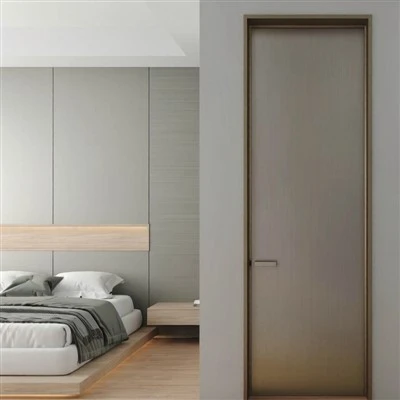
Your personal style is an important factor in choosing the grade of an interior door. If you have a modern, minimalist style, you might prefer a simple, flat – panel door with a sleek finish. For a more traditional or rustic look, a paneled or carved door made of wood would be a better choice.
Remember, the grade of the door should match the overall style of your home. You don’t want to install a high – grade, ornate door in a modern, minimalist home, or vice versa.
Let’s Talk!
So, there you have it! Choosing the grade of an interior door involves considering your budget, the location of the door, the quality of materials, the construction, the finish, and your style preferences. If you’re still not sure which grade is right for you, or if you have any questions about our interior doors, don’t hesitate to reach out. We’re here to help you make the best decision for your home. Whether you’re a homeowner, a contractor, or a designer, we’ve got the perfect interior door for you. Let’s start a conversation and find the doors that meet your needs and exceed your expectations.
Glass Door References
- Interior Door Buying Guide, Home Improvement Magazine
- Woodworking and Door Construction Manual, Industry Press
Tengzhou Jingsheng Home Furnishing Co., Ltd.
As one of the most experienced interior door manufacturers and suppliers in China, we also support customized service. Please feel free to buy high quality interior door in stock here from our factory. For quotation and free sample, contact us now.
Address: Zhanglou Village, Hongxu Town, Tengzhou City, Zaozhuang City, Shandong Province
E-mail: 15554379297@163.com
WebSite: https://www.jingshenghome.com/
