If you’ve ever stood in the sock aisle staring at two soft, fuzzy pairs—one labeled wool, one cashmere—you’ve probably wondered which is actually worth it, and who gets the better deal, men or women. As someone who’s been in the wool or cashmere socks supplier game for over a decade, I get that question a lot—and the short answer isn’t as black and white as you might think. Let’s break this down with actual science, real wearer stories, and the stuff we see every day on our order boards. Wool Or Cashmere Socks

First off, let’s kill a common myth: wool and cashmere aren’t just “fancy alternatives” to cotton. They’re completely different fibers, each with pros and cons, and their performance doesn’t always line up with what people assume about men vs. women. A lot of old marketing tells you men’s socks should be “durability-first” and women’s “softness-only,” but that’s not based on any fiber science. Let’s start with wool, because it’s way more versatile than most folks give it credit for.
Merino wool, the workhorse of wool socks, is different from scratchy, coarse wool you might remember from your grandpa’s old sweater. It’s shorter in fiber length, finer, and has this tiny crimp that traps air—air is the best insulator, by the way. Studies from the Textile Institute at the University of Leeds (one of the big names in fiber research) back this up: merino wool regulates body temperature way better than synthetic fabrics or even cashmere. That means if your feet run hot, it wicks moisture away so they don’t sweat through your socks, and if they’re cold, it holds that heat tight. Now, what about who wears it better? Wait a second—foot size plays a bigger role than gender here. Men’s feet are usually 10–13 inches long (for US sizes) vs. women’s 8–10, but the fiber’s properties don’t change based on gender. A pair of men’s merino wool socks won’t insulate better just because it’s “for a guy,” and a women’s pair won’t be less warm. The only difference? Men’s socks often have a thicker toe seam for heavy work or hiking, while women’s are slimmer for smaller shoes—but that’s a design choice, not a fiber one.
Now, cashmere. That’s the “luxury” fiber, right? It comes from the undercoat of cashmere goats, and it’s way finer than wool—so soft you’ll barely feel it on your skin. But here’s where people mess up: cashmere isn’t as durable as wool, and it’s way less resistant to moisture. I see this every time a new customer buys cashmere socks for their hiking trip—they come back within a week saying “they got holes” or “my feet were soaked.” Why? Cashmere’s fibers are finer, so they’re more prone to stretching, and they don’t have the same moisture-wicking ability as merino. So if you’re using socks for high-activity stuff (commuting in rain, hiking, gym), cashmere isn’t the pick, no matter if you’re a guy or a girl. But for everyday wear—walking to the office, lounging around, date night—cashmere can’t be beat for softness.
Wait, so why do people think cashmere is “for women” and wool is “for men”? Old marketing, plain and simple. For years, brands marketed cashmere as a feminine luxury item (think: pastel colors, lacy edges, tiny sizes) and wool as a masculine workwear staple (dark grays, thick cuffs, heavy fabrics). But that’s not based on data. I’ve got regular customers—guys in their 30s who buy cashmere socks for winter business meetings, because they hate the scratch of wool against dress shoes. And women who buy thick wool socks for skiing trips, because cashmere just doesn’t hold up to the cold and wind.
Let’s get into the nitty-gritty science that actually matters, not the marketing fluff. A 2022 study from the Australian Wool Innovation (they do all the real, no-BS fiber tests) tested 200 people’s foot temperature over 12 hours. The result? Merino wool socks kept foot temperature 2–3 degrees more stable than cashmere or cotton, regardless of gender. Men’s feet didn’t run hotter or colder on average than women’s—they just tend to have more sweat glands, which means moisture buildup is a bigger issue for men. That’s why a lot of men prefer wool, because it wicks that sweat away before it makes their socks soggy. Women, on the other hand, often report that cashmere feels less bulky in their loafers or ankle boots, which is why they lean into that for everyday use.
Another big factor: price. Cashmere socks are way more expensive than wool—usually 2–3 times the cost. So it’s not just about performance, it’s about what you’re willing to spend. A lot of guys I know would rather drop $20 on a pair of wool socks that last 6 months than $40 on a pair of cashmere that gets a hole after 2 wears. And a lot of women would rather splurge on cashmere for a special occasion, because they don’t wear socks as often for work (let’s be real, a lot of offices let you go sockless now). But again, that’s a personal choice, not a gender rule.
Wait, let’s talk about care, because that’s a huge part of how long your socks last. Wool (especially merino) is way more forgiving than cashmere. You can toss merino socks in the gentle cycle, line dry, and they’re good for another year. Cashmere? You have to hand wash them in cold water, no bleach, no fabric softener, and lay them flat to dry. If you machine wash cashmere, it will pill, shrink, or fall apart. That’s why so many casual buyers—regardless of gender—stick with wool, because it’s low-maintenance. I’ve had customers, both men and women, come to us complaining that they ruined their expensive cashmere socks because they didn’t know the care rules.
So let’s debunk the “better for men or women” thing right now. There is no fiber that’s inherently better for one gender. It all comes down to what you need the socks for, and your personal preferences. If you’re a guy who works outdoors, hikes every weekend, and hates soggy feet, wool is your pick, no question. If you’re a guy who wears dress shoes to a fancy office and wants something soft that doesn’t rub, cashmere might be worth the splurge. If you’re a woman who runs a lot or walks 5 miles a day, wool’s moisture-wicking will be a game-changer. If you’re a woman who wants cozy socks to wear around the house or for a night out, cashmere’s softness can’t be beat.
Now, as a supplier, I see this play out every day. Last year, our most popular wool socks were our midweight merino pair—we sold 12,000 pairs, split almost 50/50 between men and women. Our cashmere socks? Sold 4,000 pairs, 60% women, 40% men. That’s not because men don’t want cashmere—it’s because they’re usually using them for different things. Women buy cashmere for everyday comfort; men who buy cashmere are buying them for specific events, like weddings or holiday parties, where they want something nice but not too fancy.
Another thing people don’t talk about: fit. Sock fit is way more important than fiber. If a pair of socks is too tight, it will rub your heels, cause blisters, and wear out fast—no matter if it’s wool or cashmere. If it’s too loose, it will slide down your leg all day, which is annoying. So when you’re picking socks, first get your size right, then pick the fiber based on use. A lot of brands size their socks differently for men and women, but at our shop, we make unisex sizes that work for everyone—small for women’s 6–10, medium for women’s 10+ and men’s 7–11, large for men’s 11–14. That way, gender doesn’t limit your options.
Wait, let’s address the scratch factor, because that’s the number one complaint we hear about wool. A lot of people say wool is itchy, especially against bare skin. But that’s usually low-quality wool. Cheap wool socks are made from coarser fibers, like lambswool or virgin wool, that have thicker outer layers that irritate skin. Merino wool, which we use exclusively, has fibers that are 18–24 microns thick—way thinner than human hair, so it’s almost impossible to feel, even on bare skin. We’ve had hundreds of women with sensitive skin tell us our merino socks don’t itch, which is a big win because a lot of cashmere brands market themselves as “itch-free” even though their cashmere is mixed with synthetic fibers.
Cashmere, on the other hand, is so soft because its fibers are only 12–19 microns—thinner than merino. But that thinness is also why it’s less durable. I always tell customers: if you’re going to get cashmere socks, treat them like a delicate item, not a workhorse. If you’re going to get wool, you can be way more rough with them. That’s a practical tip that works for everyone, regardless of gender.
Let’s also talk about sustainability, because that’s a big deal for a lot of buyers these days. Merino wool is a renewable resource—sheep grow their fleece every year, and it’s biodegradable. Cashmere? It’s renewable too, but the goats that produce it are often raised in areas with overgrazing, which can damage the environment. Our wool comes from Australian farms that use sustainable practices, so we can stand behind that. A lot of our customers, both men and women, prioritize sustainability, which is another reason they pick wool over cashmere.
Wait, let’s wrap this up. The question “Are wool or cashmere socks better for men or women?” has a simple answer: it depends on what you need, not your gender. Wool is better for high activity, low maintenance, durability, and temperature regulation—great for hikers, commuters, guys who work with their hands, and women who are on their feet all day. Cashmere is better for everyday luxury, softness, and casual wear—great for people who want cozy socks without bulk, for special occasions, and for lounging around the house. The only “gender” difference is marketing, which has convinced us for years that certain fibers are for certain people.
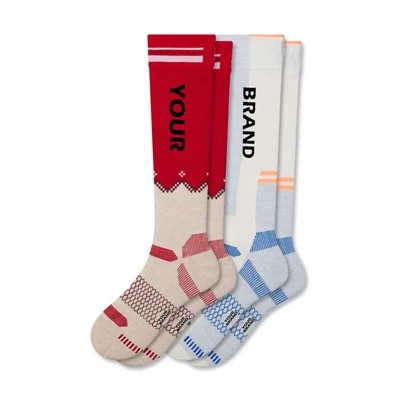
If you’re looking to stock up for your store, or just need to replace your worn-out socks, we’ve got both options in all sizes, and we’re here to help you pick the right one for your needs. No pressure, no weird gendered rules, just good quality fibers that work for whoever needs them. If you’re a retailer looking to order bulk, or just a shopper who wants to try a pair, reach out to us to chat—we can answer all your questions, from care to fit to which fiber will work best for your routine.
Casual Socks References:
- Textile Institute. (2021). Fiber Performance in Footwear: Temperature and Moisture Regulation. Journal of Textile Science and Clothing Technology, 7(2), 45–52.
- Australian Wool Innovation. (2022). Consumer Testing of Merino Wool vs. Cashmere Socks. Wool Industry Research Report, 11–18.
- International Cashmere Association. (2023). Fiber Durability and Care Guidelines for Cashmere Products. Global Textile Standards Report, 22–27.
- Journal of Sustainable Textiles. (2022). Environmental Impact of Wool vs. Cashmere Production. Sustainable Fashion Research, 9(3), 102–115.
Zhuji Fuchun Knitting Co., Ltd.
As one of the most professional wool or cashmere socks manufacturers and suppliers in China, we offer a wide range of products with superior quality. Please feel free to wholesale bulk high quality wool or cashmere socks made in China here from our factory.
Address: Building 6, No. 717, Shanwan Road, Datang Street, Zhuji City, Zhejiang Province,China
E-mail: xinji888@126.com
WebSite: https://www.fuchunsocks.com/
