Heavy hex nuts are a staple in the fastener industry, known for their robust design and reliable performance. As a heavy hex nut supplier, I’ve had the privilege of witnessing firsthand how these nuts perform in various applications, including low – pressure scenarios. In this blog, I’ll delve into the characteristics of heavy hex nuts and explore their performance in low – pressure applications. Heavy Hex Nuts

I. Understanding Heavy Hex Nuts
Heavy hex nuts are distinct from standard nuts due to their larger dimensions. They have a wider flange and a greater height compared to regular hex nuts of the same size. This increased mass provides several advantages in terms of strength and durability. The larger surface area of the flange distributes the clamping force over a wider area, reducing the risk of damage to the mating surface. The extra height also allows for more threads to engage with the bolt, enhancing the overall joint integrity.
Manufacturers typically produce heavy hex nuts using high – quality materials such as carbon steel, stainless steel, and alloy steel. These materials are chosen for their excellent mechanical properties, corrosion resistance, and ability to withstand high loads. The choice of material depends on the specific requirements of the application, such as the environment, the type of load, and the expected service life.
II. Low – Pressure Applications
Low – pressure applications are those where the pressure exerted on the joint is relatively small. These applications can be found in a wide range of industries, including plumbing, HVAC (Heating, Ventilation, and Air Conditioning), and light – industrial equipment. In plumbing systems, for example, low – pressure applications may involve connecting pipes in a residential or commercial building where the water pressure is typically below 100 psi (pounds per square inch). In HVAC systems, low – pressure applications can include the installation of ductwork and the connection of refrigerant lines.
In these applications, the primary function of the fastener is to hold the components together securely and prevent leakage or separation. While the pressure is low, it’s still essential to use reliable fasteners to ensure the long – term performance and safety of the system.
III. Performance of Heavy Hex Nuts in Low – Pressure Applications
1. Clamping Force
One of the key performance indicators of a fastener in any application is its ability to generate and maintain clamping force. In low – pressure applications, heavy hex nuts excel in this regard. The larger flange and increased height of the heavy hex nut allow for a greater number of threads to engage with the bolt. This increased thread engagement results in a higher clamping force, which helps to keep the joint tight and prevent loosening over time.
Even under the relatively low forces present in low – pressure applications, vibrations and thermal cycling can cause standard nuts to loosen. The enhanced clamping force of heavy hex nuts provides an added layer of security, reducing the likelihood of joint failure due to loosening.
2. Resistance to Corrosion
Corrosion can be a significant issue in many low – pressure applications, especially those in humid or corrosive environments. Heavy hex nuts made from stainless steel or other corrosion – resistant materials offer excellent protection against rust and corrosion. Stainless steel heavy hex nuts, for instance, contain chromium, which forms a passive oxide layer on the surface of the nut. This layer acts as a barrier, preventing oxygen and moisture from reaching the underlying metal and causing corrosion.
In plumbing applications, where the nuts are often exposed to water, corrosion – resistant heavy hex nuts ensure the long – term integrity of the joint. They can withstand the constant presence of water without deteriorating, reducing the need for frequent replacements and maintenance.
3. Durability
Heavy hex nuts are designed to be durable. Their larger size and robust construction make them more resistant to wear and tear compared to standard nuts. In low – pressure applications, where the components may be subject to minor impacts or movements, the durability of heavy hex nuts is a valuable asset.
For example, in HVAC ductwork, the nuts may be exposed to vibrations from the operation of the system. The heavy hex nuts’ ability to withstand these vibrations without deforming or breaking ensures that the ductwork remains securely connected, maintaining the efficiency of the HVAC system.
4. Ease of Installation
Another advantage of heavy hex nuts in low – pressure applications is their ease of installation. The larger size of the nut makes it easier to grip with a wrench, reducing the risk of slippage during installation. This is particularly important in applications where access to the fastener may be limited, such as in tight spaces within a plumbing or HVAC system.
The standard hexagonal shape of the heavy hex nut is also compatible with a wide range of wrenches and socket tools, making it a convenient choice for installers. This ease of installation not only saves time but also reduces the likelihood of installation errors, which can lead to joint failure.
IV. Comparing with Other Fasteners in Low – Pressure Applications
1. Standard Hex Nuts
When compared to standard hex nuts, heavy hex nuts offer several advantages in low – pressure applications. As mentioned earlier, the increased thread engagement and larger flange of heavy hex nuts result in a higher clamping force. Standard hex nuts may be more prone to loosening over time due to their smaller size and fewer threads in contact with the bolt.
In terms of corrosion resistance, while standard hex nuts can also be made from corrosion – resistant materials, the larger mass of heavy hex nuts provides more material to resist corrosion. This means that heavy hex nuts may have a longer service life in corrosive environments.
2. Wing Nuts
Wing nuts are often used in applications where quick and easy tightening and loosening are required. However, in low – pressure applications where a secure and long – lasting joint is needed, heavy hex nuts are a better choice. Wing nuts rely on manual tightening, which may not provide the same level of clamping force as a heavy hex nut tightened with a wrench. Additionally, wing nuts are more likely to loosen due to vibrations or accidental contact.
3. Self – Tapping Screws
Self – tapping screws are commonly used in light – duty applications. However, in low – pressure applications where a more robust connection is required, heavy hex nuts have an edge. Self – tapping screws create their own threads as they are driven into the material, which may result in a less secure connection compared to the thread engagement provided by a heavy hex nut on a bolt.
V. Considerations When Using Heavy Hex Nuts in Low – Pressure Applications
1. Material Selection
As mentioned earlier, the choice of material is crucial when using heavy hex nuts in low – pressure applications. In addition to considering corrosion resistance, it’s also important to consider the strength requirements of the application. For example, if the joint will be subject to some level of mechanical stress, even in a low – pressure environment, a stronger alloy steel heavy hex nut may be more appropriate than a carbon steel one.
2. Proper Torque Application
Even in low – pressure applications, it’s essential to apply the proper torque when tightening heavy hex nuts. Over – tightening can damage the nut, the bolt, or the mating surface, while under – tightening can result in a loose joint. It’s recommended to follow the manufacturer’s torque specifications or use a torque wrench to ensure the correct amount of torque is applied.
3. Compatibility with Other Components
When selecting heavy hex nuts for a low – pressure application, it’s important to ensure that they are compatible with the other components in the system. This includes the bolts, washers, and the mating surfaces. For example, the thread size and pitch of the nut must match those of the bolt, and the washer should be of the appropriate size and material to distribute the clamping force evenly.
VI. Conclusion
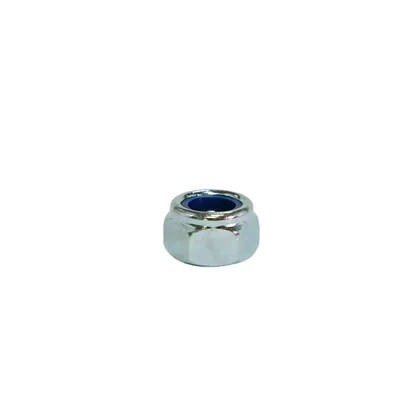
In conclusion, heavy hex nuts offer excellent performance in low – pressure applications. Their ability to generate and maintain clamping force, resist corrosion, provide durability, and ease of installation make them a reliable choice for a wide range of industries. Whether it’s in plumbing, HVAC, or light – industrial equipment, heavy hex nuts can help ensure the long – term integrity and safety of the joints.
Hex Long Nut If you’re in need of heavy hex nuts for your low – pressure applications, I invite you to reach out to me for more information. I’m committed to providing high – quality heavy hex nuts and excellent customer service. Let’s discuss your specific requirements and find the best solutions for your projects.
References
- Machinery’s Handbook, 31st Edition
- Fastener Technology Handbook, Second Edition
- ASTM Standards for Fasteners
Jiaxing Jinling Hardware Technolgy Joint Stock Co., Ltd.
As one of the most experienced heavy hex nuts manufacturers and suppliers in China, we also support customized service. Please feel free to buy bulk high-grade heavy hex nuts made in China here from our factory. For quotation and price list, contact us now.
Address: No.32, Shenjiadai, Xuyouche Village, Qinshan Subdistrict, Haiyan County, Zhejiang Province, China
E-mail: jlzxl@jinlingfstn.com
WebSite: https://www.china-nut-factory.com/
