What are the disadvantages of a rigid bike fork?
As a seasoned bike fork supplier deeply entrenched in the cycling industry, I’ve witnessed the evolution of bike components firsthand. While rigid bike forks have been a staple in cycling for a long time and have their own merits, it’s crucial to shed light on their disadvantages. This understanding can help cyclists make more informed decisions when choosing the right fork for their bikes. Bike Fork

One of the most prominent drawbacks of a rigid bike fork is the lack of shock absorption. When riding on rough terrains such as gravel roads, rocky trails, or bumpy city streets, a rigid fork transfers all the vibrations and impacts directly from the wheels to the handlebars and the rest of the bike frame. This not only makes the ride extremely uncomfortable for the cyclist but also increases the risk of fatigue. Over long – distance rides, the constant jolts can lead to numbness in the hands, arms, and shoulders, reducing the cyclist’s ability to control the bike effectively.
For mountain bikers, who often encounter large obstacles like roots, rocks, and drops, a rigid fork can be a real hindrance. Without the ability to absorb shock, the bike becomes less stable when navigating these challenging features. This instability can cause the front wheel to lose traction, making it difficult to maintain speed and control while going downhill or through tight turns. In extreme cases, it can even lead to accidents, as the cyclist may be unable to react quickly enough to unexpected bumps or sudden changes in the terrain.
Another significant disadvantage is the limited adaptability of a rigid bike fork. Different cycling conditions call for different levels of suspension. For example, when racing on smooth tracks, a stiffer fork might be preferable to maximize power transfer. But when exploring technical off – road trails, a more flexible fork with shock – absorbing capabilities is essential for a better ride. A rigid fork offers no such adjustability. Cyclists are stuck with a single, fixed setup, regardless of the terrain they are riding on. This lack of adaptability restricts the versatility of the bike, making it less suitable for multi – purpose use.
In terms of performance, a rigid fork is not as effective in maintaining tire contact with the ground. When hitting a bump, the front wheel of a bike with a rigid fork can bounce off the surface. This brief loss of contact reduces traction, which is crucial for both braking and acceleration. On wet or slippery surfaces, this problem is exacerbated, as the reduced traction can lead to longer braking distances and increased difficulty in controlling the bike. This is a safety concern, especially in high – speed cycling situations.
Moreover, the durability of a rigid bike fork can be a double – edged sword. While it is generally more robust and less prone to mechanical failures compared to suspension forks, the lack of shock absorption means that the entire bike frame has to bear the brunt of the impacts. Over time, this can lead to increased stress on the frame, potentially causing premature wear and tear. Components such as the head tube, frame joints, and even the wheels may experience more fatigue and damage due to the constant transfer of forces.
The noise factor is also something to consider. When riding on rough surfaces, a rigid fork can produce a lot of noise as it interacts with the bumps and vibrations. This constant rattling and banging not only add to the discomfort but can also be a distraction for the cyclist. In a competitive cycling environment, where concentration is key, excessive noise can be a significant drawback.
For cyclists who are into bike customization, a rigid fork offers limited options. Suspension forks come with a wide range of adjustable features, such as pre – load, compression, and rebound damping. These adjustments allow cyclists to fine – tune the performance of their bikes according to their riding style, body weight, and the specific demands of the terrain. A rigid fork, on the other hand, lacks these adjustable elements, confining cyclists to a more basic and unchanging setup.
Despite these disadvantages, rigid bike forks still have their place in the cycling world. They are lighter, cheaper, and require less maintenance compared to suspension forks. They are also preferred by some cyclists for specific types of cycling, such as road racing or track cycling, where the smoothness of the terrain minimizes the need for shock absorption.
If you’re in the market for a bike fork and are weighing the pros and cons of rigid and suspension options, it’s important to consider your specific cycling needs. As a bike fork supplier, we understand that every cyclist has unique requirements. Whether you’re a professional racer, an avid mountain biker, or a casual commuter, we have a wide range of bike forks to suit your needs. Our team of experts can provide you with in – depth advice and guidance to help you make the best choice for your bike.
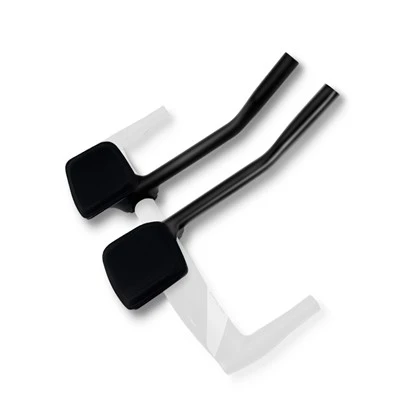
Bike Road Bent Bar If you’re interested in learning more about our products, or if you’re ready to start a conversation about a potential purchase, don’t hesitate to reach out to us. We’re eager to engage in discussions about how our bike forks can enhance your cycling experience. Whether you need a fork for a new build or an upgrade for your existing bike, we’re here to assist you every step of the way.
References
- Wilson, A. (2019). The Physics of Cycling. London: Cycling Press.
- Brown, J. (2020). Bike Components Handbook. New York: Cycling World Publications.
- Green, S. (2021). Advanced Cycling Techniques. Sydney: Downhill Adventures.
Hunan Yecheng Technology Co., Ltd.
We’re well-known as one of the leading bike fork manufacturers and suppliers in China, also support customized service. Please feel free to buy high quality bike fork for sale here from our factory. For more information, contact us now.
Address: Changsha, Hunan Province, China.
E-mail: info@rxlsl.com
WebSite: https://www.rxlsl.com/
