When it comes to process industries that rely on efficient heat transfer and condensation, plate condensers are a popular choice. As a seasoned plate condenser supplier, I often encounter questions regarding the differences between a plate condenser with a pre-condenser and one without. In this blog post, I’ll delve into the technical aspects, advantages, and practical applications of these two types of setups to help you make an informed decision for your specific needs. Plate Condenser
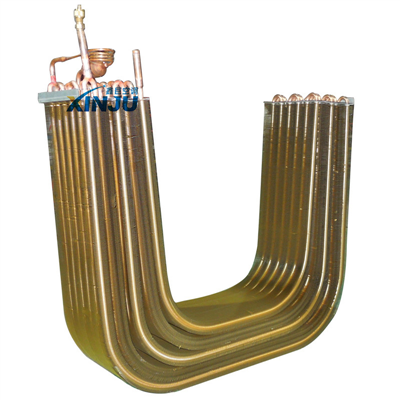
Understanding Plate Condensers
Before we explore the differences, let’s briefly understand what a plate condenser is. A plate condenser is a type of heat exchanger that uses a series of thin, corrugated plates to transfer heat between two fluids. The plates are stacked together, creating channels for the hot and cold fluids to flow through. The large surface area provided by the plates allows for efficient heat transfer, making plate condensers compact and effective.
Plate Condenser without a Pre – Condenser
A basic plate condenser without a pre-condenser operates straightforwardly. The hot vapor or gas stream enters the condenser and comes into contact with the cold side of the plates. The heat is transferred from the hot fluid to the cold fluid, causing the vapor to condense. The condensed liquid then exits the condenser, while the cold fluid, which has absorbed the heat, also leaves the system.
Advantages
- Simplicity: The most obvious advantage of a plate condenser without a pre – condenser is its simplicity. There are fewer components, which means lower installation costs and less complexity in operation and maintenance. For small – scale operations or applications where the vapor load is relatively low and consistent, a simple plate condenser can be a cost – effective solution.
- Compactness: Since there is no additional pre – condenser unit, the overall footprint of the system is smaller. This can be a significant advantage in facilities where space is limited.
Disadvantages
- Limited Capacity: Without a pre – condenser, the main plate condenser has to handle the entire heat load from the incoming vapor stream. This can lead to overloading, especially if the vapor load fluctuates or is high. When overloaded, the efficiency of the condenser decreases, and the quality of condensation may be compromised.
- Higher Risk of Fouling: The entire vapor stream, which may contain impurities, directly enters the plate condenser. This increases the risk of fouling on the plate surfaces, reducing heat transfer efficiency over time and requiring more frequent cleaning and maintenance.
Plate Condenser with a Pre – Condenser
A plate condenser with a pre – condenser adds an extra step to the condensation process. The pre – condenser is placed upstream of the main plate condenser. The hot vapor stream first passes through the pre – condenser, where a portion of the vapor is condensed. The partially condensed stream then enters the main plate condenser for further condensation.
Advantages
- Increased Capacity: The pre – condenser takes on a significant portion of the heat load, reducing the burden on the main plate condenser. This allows the system to handle higher vapor loads and fluctuations more effectively. For large – scale industrial processes with high – volume vapor streams, a pre – condenser can be essential for maintaining efficient operation.
- Improved Fouling Resistance: By removing a large part of the condensable vapor and some of the impurities in the pre – condenser, the amount of contaminants reaching the main plate condenser is reduced. This helps to minimize fouling on the main condenser plates, extending their service life and reducing maintenance requirements.
- Enhanced Energy Efficiency: The pre – condenser can be optimized to operate at different temperature and pressure conditions than the main condenser. This flexibility allows for better matching of the heat transfer process to the specific properties of the vapor stream, resulting in improved energy efficiency.
Disadvantages
- Higher Initial Cost: The addition of a pre – condenser increases the initial investment required for the system. There are not only the costs of the pre – condenser unit itself but also additional piping, valves, and controls.
- Increased Complexity: With more components, the system becomes more complex to install, operate, and maintain. This may require more skilled personnel and additional training.
Practical Applications
The choice between a plate condenser with and without a pre – condenser depends on the specific application.
Applications for Plate Condensers without a Pre – Condenser
- Small – Scale Chemical Processes: In small – scale chemical laboratories or batch processes where the vapor production is relatively low and stable, a simple plate condenser can provide adequate condensation without the need for a pre – condenser.
- Food and Beverage Industry: For some food and beverage processes, such as the distillation of small batches of spirits or the concentration of fruit juices on a small scale, a basic plate condenser can be sufficient.
Applications for Plate Condensers with a Pre – Condenser
- Large – Scale Petrochemical Plants: In petrochemical refineries, where the vapor streams are large in volume and contain a variety of components, a pre – condenser is often necessary to handle the high heat load and protect the main condenser from fouling.
- Power Generation: In power plants, especially those using steam turbines, a pre – condenser can be used to improve the efficiency of the condensation process and reduce the load on the main condenser.
Making the Right Choice
When deciding whether to choose a plate condenser with or without a pre – condenser, several factors need to be considered:
- Vapor Load: If your process generates a high and fluctuating vapor load, a pre – condenser is likely to be beneficial. However, for low and stable vapor loads, a simple plate condenser may suffice.
- Contaminant Levels: If the vapor stream contains a significant amount of impurities, a pre – condenser can help protect the main condenser from fouling.
- Space and Budget Constraints: A basic plate condenser is more compact and less expensive upfront, but it may have limitations in terms of capacity and fouling resistance. A system with a pre – condenser requires more space and a larger initial investment but offers better performance in the long run.
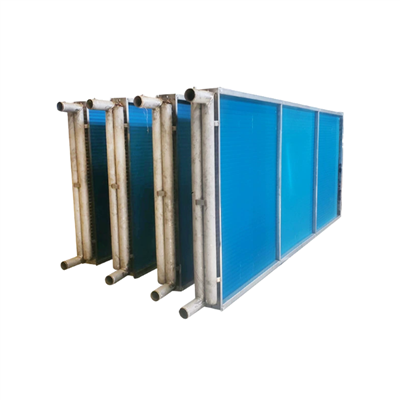
As a plate condenser supplier, I understand that every application is unique. Our team of experts can work with you to analyze your specific requirements, including vapor characteristics, flow rates, and operating conditions. We can then recommend the most suitable plate condenser solution, whether it’s a simple plate condenser or one with a pre – condenser.
Finned Tube If you’re in need of a high – quality plate condenser for your industrial process, I encourage you to reach out to us for a detailed consultation. We have a wide range of plate condenser products and the expertise to customize a solution that meets your exact needs. Let’s work together to optimize your heat transfer process and improve the efficiency of your operations.
References
- Incropera, F. P., & DeWitt, D. P. (2002). Fundamentals of Heat and Mass Transfer. John Wiley & Sons.
- Hewitt, G. F., Shires, G. L., & Bott, T. R. (1994). Process Heat Transfer. CRC Press.
- Kern, D. Q. (1950). Process Heat Transfer. McGraw – Hill.
Xiangshui Derkang Refrigeration Equipment Co., Ltd.
Address: No. 2, Xiaojian Town Entrepreneurship Park, Xiangshui County
E-mail: 505745223@qq.com
WebSite: https://www.xsderk.com/
