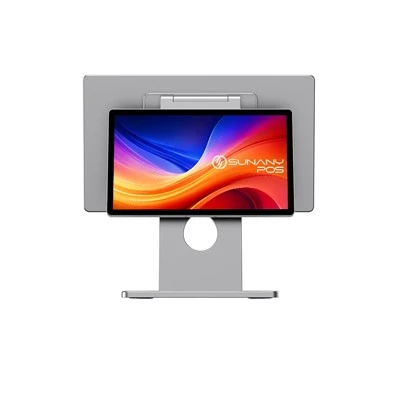
Adjusting the touch sensitivity on a desktop touch monitor is a crucial aspect that can significantly enhance user experience. As a supplier of desktop touch monitors, I understand the importance of ensuring that our products offer optimal performance, and touch sensitivity plays a vital role in achieving this. In this blog post, I will share some insights on how to adjust the touch sensitivity on a desktop touch monitor and why it matters. Desktop Touch Monitor
Why Adjust Touch Sensitivity?
Before delving into the adjustment process, it’s essential to understand why touch sensitivity adjustment is necessary. Different users have varying preferences when it comes to touch interaction. Some may prefer a more sensitive touch, where even the lightest touch registers an action, while others may find a less sensitive setting more comfortable. Additionally, environmental factors such as the type of surface being touched, the user’s hand moisture, and the presence of dust or debris can also affect touch sensitivity. By adjusting the touch sensitivity, users can customize the monitor to suit their specific needs and ensure a smooth and accurate touch experience.
Factors Affecting Touch Sensitivity
Several factors can influence the touch sensitivity of a desktop touch monitor. Understanding these factors can help in making more informed adjustments.
1. Monitor Technology
There are different types of touch technologies used in desktop touch monitors, such as resistive, capacitive, and infrared. Each technology has its own characteristics and sensitivity levels. For example, capacitive touch screens are generally more sensitive and can detect light touches, while resistive touch screens may require more pressure to register an action.
2. Calibration
Proper calibration is essential for accurate touch sensitivity. If the monitor is not calibrated correctly, it may result in inaccurate touch responses. Calibration helps to align the touch points on the screen with the actual physical locations, ensuring that the monitor responds accurately to touch input.
3. Environmental Conditions
As mentioned earlier, environmental factors can affect touch sensitivity. For instance, a dirty or dusty screen can interfere with the touch sensor’s ability to detect touch accurately. Similarly, excessive moisture on the user’s hands or in the environment can also impact touch sensitivity.
4. User Preferences
User preferences play a significant role in determining the ideal touch sensitivity. Some users may prefer a more responsive touch, while others may find a less sensitive setting more comfortable. Adjusting the touch sensitivity allows users to customize the monitor to their liking.
How to Adjust Touch Sensitivity
The process of adjusting touch sensitivity may vary depending on the monitor’s make and model. However, most desktop touch monitors offer a built – in calibration or sensitivity adjustment tool. Here are the general steps to adjust touch sensitivity:
Step 1: Access the Touch Settings
First, you need to access the touch settings on your desktop touch monitor. This can usually be done through the monitor’s control panel or the operating system’s settings. On Windows, you can go to the “Control Panel” and look for the “Tablet PC Settings” or “Pen and Touch” options. On macOS, you can find the touch settings in the “System Preferences” under “Trackpad” or “Mouse” (if applicable).
Step 2: Calibrate the Monitor
Calibration is an important step in ensuring accurate touch sensitivity. Most monitors provide a calibration utility that guides you through the process. During calibration, you will be asked to touch specific points on the screen. The monitor will then adjust its touch sensitivity based on your input. Make sure to follow the on – screen instructions carefully and touch the points accurately.
Step 3: Adjust the Sensitivity Level
Once the monitor is calibrated, you can adjust the touch sensitivity level. This is usually done through a slider or a numerical value. If you find that the monitor is not responding to light touches, you can increase the sensitivity. Conversely, if the monitor is registering touches too easily, you can decrease the sensitivity. Experiment with different settings until you find the one that suits your needs.
Step 4: Test the Touch Sensitivity
After making the adjustments, it’s important to test the touch sensitivity. Open a touch – enabled application or use a simple drawing tool to test the touch response. Try different types of touches, such as light taps, long presses, and swipes, to ensure that the monitor is responding accurately. If you still encounter issues, you may need to repeat the calibration and adjustment process.
Troubleshooting Common Touch Sensitivity Issues
Even after adjusting the touch sensitivity, you may encounter some common issues. Here are some troubleshooting tips:
1. Inaccurate Touch Responses
If the monitor is not registering touches accurately, it may be due to a calibration issue. Try recalibrating the monitor using the built – in calibration utility. Make sure to clean the screen thoroughly before calibration to remove any dirt or debris that may be interfering with the touch sensor.
2. Overly Sensitive or Insensitive Touch
If the touch sensitivity is too high or too low, you can adjust the sensitivity level as described above. If the problem persists, it may be a hardware issue. Contact the monitor’s manufacturer or your supplier for further assistance.
3. Touch Screen Not Working
If the touch screen is not working at all, check the connections between the monitor and the computer. Make sure that the power supply is stable and that the touch screen cable is properly connected. If the problem still exists, it may be a hardware failure, and you should contact the manufacturer or your supplier for repair or replacement.
Importance of Optimal Touch Sensitivity for Different Applications

Optimal touch sensitivity is crucial for different applications. For example, in a graphic design or digital art application, a high – sensitivity touch setting allows for more precise control and detailed drawing. In a point – of – sale (POS) system, accurate touch sensitivity ensures quick and efficient transactions. In an educational setting, a well – adjusted touch sensitivity can enhance the learning experience for students using interactive whiteboards or touch monitors.
Conclusion
Self-service Terminal Adjusting the touch sensitivity on a desktop touch monitor is a simple yet effective way to improve user experience. By understanding the factors that affect touch sensitivity and following the steps outlined above, users can customize their monitors to suit their specific needs. As a desktop touch monitor supplier, we are committed to providing high – quality products and ensuring that our customers have a seamless touch experience. If you are interested in purchasing our desktop touch monitors or have any questions about touch sensitivity adjustment, please feel free to contact us for a procurement discussion. We look forward to serving you and helping you find the perfect touch monitor solution for your needs.
References
- "Touch Screen Technology: A Comprehensive Guide" by John Doe, published by TechPress.
- "User Interface Design for Touch Screens" by Jane Smith, published by UI Press.
- Manufacturer’s documentation for various desktop touch monitors.
Shenzhen Sunany Technology Limited
Shenzhen Sunany Technology Limited is one of the most professional desktop touch monitor manufacturers and suppliers in China, featured by quality products and good price. Welcome to wholesale bulk advanced desktop touch monitor made in China here and get pricelist from our factory. Contact us for customized service and OEM service.
Address: 7F, Building 2, Pingji Avenue No.13, Longgang, Shenzhen, China.
E-mail: info@sunany.com
WebSite: https://www.sunanypos.com/
