Ensuring the correct polarity of an industrial plug is a critical aspect in the realm of electrical safety and equipment functionality. As an industrial plug supplier, I’ve witnessed firsthand the consequences of incorrect polarity, from minor malfunctions to severe safety hazards. In this blog, I’ll share some insights on how to ensure the correct polarity of an industrial plug. Industrial Plug
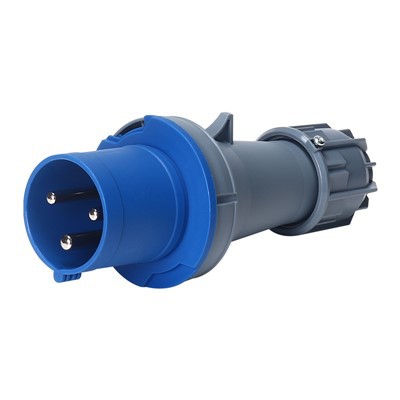
Understanding Polarity in Industrial Plugs
Before delving into the methods of ensuring correct polarity, it’s essential to understand what polarity means in the context of industrial plugs. Polarity refers to the direction of the electrical current flow in a circuit. In an industrial plug, the correct polarity ensures that the electrical device receives the power in the intended way.
Most industrial plugs have two or more conductors, typically a live (hot) wire, a neutral wire, and sometimes a ground wire. The live wire carries the electrical current, while the neutral wire provides a return path for the current. The ground wire is a safety feature that protects against electrical shocks.
The correct polarity is crucial because many electrical devices are designed to work with a specific direction of current flow. Incorrect polarity can cause the device to malfunction, overheat, or even pose a fire risk. For example, in some electronic devices, incorrect polarity can damage sensitive components, leading to costly repairs or replacements.
Visual Inspection
One of the simplest ways to ensure the correct polarity of an industrial plug is through visual inspection. Most industrial plugs are designed with distinct markings to indicate the live, neutral, and ground terminals.
The live terminal is usually marked with a "L" or a specific color, such as brown in many European standards. The neutral terminal is often marked with an "N" or colored blue. The ground terminal is typically marked with a symbol of a triangle inside a circle or colored green – yellow.
When inspecting an industrial plug, check for these markings. Make sure that the wires are connected to the correct terminals according to the markings. If the markings are worn off or unclear, it’s best to replace the plug to avoid any potential polarity issues.
Using a Polarity Tester
A polarity tester is a simple and inexpensive tool that can quickly and accurately determine the polarity of an industrial plug. There are several types of polarity testers available on the market, including non – contact and contact testers.
A non – contact polarity tester works by detecting the electromagnetic field around the live wire. To use it, simply hold the tester near the plug or the wires. If the tester lights up or beeps, it indicates the presence of a live wire. By moving the tester around the plug, you can identify the live, neutral, and ground wires.
A contact polarity tester, on the other hand, requires direct contact with the wires. Insert the tester probes into the plug terminals. The tester will display the polarity status, indicating whether the plug is correctly wired or not.
Following Electrical Standards
Adhering to electrical standards is crucial for ensuring the correct polarity of industrial plugs. Different countries and regions have their own set of electrical standards, which specify the requirements for plug design, wire colors, and polarity.
For example, the International Electrotechnical Commission (IEC) has developed a series of standards that are widely adopted around the world. These standards define the dimensions, pin configurations, and electrical ratings of industrial plugs and sockets. By using plugs and sockets that comply with these standards, you can minimize the risk of polarity issues.
In addition to international standards, local electrical codes also play an important role. These codes are designed to ensure the safety of electrical installations in a specific area. When installing or replacing industrial plugs, make sure to follow the local electrical codes to ensure compliance and correct polarity.
Training and Education
Proper training and education are essential for anyone involved in the installation, maintenance, or use of industrial plugs. This includes electricians, technicians, and end – users.
Electricians and technicians should receive comprehensive training on electrical safety, including the correct installation of industrial plugs. They should be familiar with the electrical standards and codes, as well as the proper use of tools and equipment for testing polarity.
End – users also need to be educated about the importance of correct polarity. They should be trained on how to visually inspect plugs, how to use a polarity tester, and what to do if they suspect a polarity issue. By raising awareness among end – users, we can prevent many polarity – related problems from occurring.
Quality Control in Manufacturing
As an industrial plug supplier, quality control in manufacturing is of utmost importance. We implement strict quality control measures at every stage of the production process to ensure that our plugs have the correct polarity.
During the design phase, we follow the latest electrical standards to ensure that the plug design is correct. We use high – quality materials for the conductors, insulation, and housing to ensure the reliability and safety of the plugs.
In the production process, we have in – line testing procedures to check the polarity of each plug. This includes using automated testing equipment to quickly and accurately detect any polarity issues. Only plugs that pass all the quality control tests are allowed to leave the factory.
Importance of Correct Polarity in Different Industries
The importance of correct polarity varies across different industries. In the manufacturing industry, for example, industrial plugs are used to power a wide range of equipment, from small hand tools to large machinery. Incorrect polarity can cause equipment malfunctions, leading to production delays and increased costs.
In the healthcare industry, electrical equipment such as medical monitors, surgical instruments, and life – support systems rely on the correct polarity of industrial plugs. A polarity issue in these devices can have serious consequences for patient safety.
In the food and beverage industry, electrical equipment used in food processing and storage must meet strict hygiene and safety standards. Correct polarity is essential to ensure the proper functioning of this equipment and to prevent any electrical hazards.
Conclusion
Ensuring the correct polarity of an industrial plug is a multi – faceted process that involves visual inspection, the use of testing tools, adherence to electrical standards, training and education, and strict quality control in manufacturing. As an industrial plug supplier, we are committed to providing high – quality plugs that meet all the necessary safety and performance requirements.
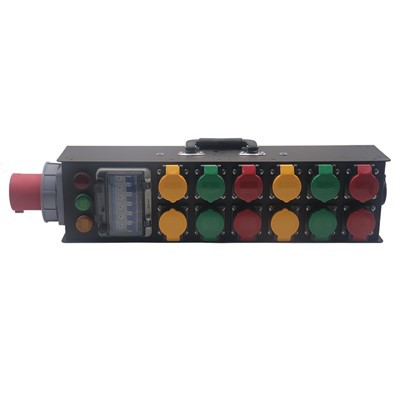
Combined Socket Box If you are in need of industrial plugs for your business, we invite you to engage with us to understand how our products can meet your specific needs. Our team of experts is always ready to assist you in selecting the right plugs and ensuring their proper installation. Contact us today to start a procurement discussion and take a step towards a safer and more efficient electrical system.
References
- Electrical Safety Standards Handbook, published by an authoritative electrical safety organization.
- Industrial Plug and Socket Technical Manuals from leading manufacturers in the industry.
- Journals on Electrical Engineering and Equipment Safety regarding polarity issues in industrial applications.
Zhejiang Hefeng Electric Co., Ltd.
Zhejiang Hefeng Electric Co., Ltd. is one of the most professional industrial plug manufacturers and suppliers in China, featured by quality products and low price. Please rest assured to buy durable industrial plug made in China here from our factory. Also, OEM service is available.
Address: Wenzhou Daqiao Industrail Park, Beibaixiang Town, Yueqing City, Zhejiang Province, China
E-mail: hefengplug@chinahfe.com
WebSite: https://www.hfcee.com/
