Hey there! I’m a supplier of forged valves, and I’ve seen my fair share of valve failures over the years. In this blog, I’m gonna chat about the common failures of forged valves and how we can solve ’em. Forged Valves
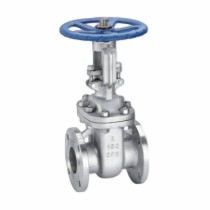
Common Failures of Forged Valves
1. Leakage
Leakage is one of the most common issues with forged valves. It can happen in different parts of the valve, like the valve seat, stem, or body joints. There are a few reasons for this. First off, improper installation can be a big culprit. If the valve isn’t installed correctly, it won’t seal properly, and that leads to leaks.
Another reason is wear and tear. Over time, the valve seat can get worn out due to the constant flow of fluid or gas through it. The same goes for the stem packing. If it dries out or gets damaged, it won’t be able to prevent leaks.
Corrosion can also cause leakage. When the valve is exposed to corrosive substances, the metal can get eaten away, creating tiny holes or cracks through which the fluid can escape.
2. Sticking or Seizing
Sometimes, valves just won’t move as they should. They might get stuck in the open or closed position. This can be a real pain in the neck, especially in systems where the valve needs to be adjusted frequently.
One reason for sticking or seizing is dirt and debris. If there’s a lot of sediment or particles in the fluid flowing through the valve, they can get trapped inside the valve mechanism. This can prevent the valve from moving smoothly.
Lack of lubrication is another factor. The moving parts of the valve need to be lubricated to reduce friction. If the lubricant dries up or isn’t applied properly, the valve can start to stick.
Also, thermal expansion can cause problems. If the valve is exposed to high temperatures, the metal can expand, and if it doesn’t have enough room to do so, it can cause the valve to seize.
3. Cavitation
Cavitation is a phenomenon that occurs when the pressure of the fluid flowing through the valve drops below its vapor pressure. When this happens, tiny vapor bubbles form in the fluid. These bubbles then collapse when the pressure rises again, creating intense shock waves.
Cavitation can cause serious damage to the valve. It can erode the valve seat and the internal parts of the valve, reducing its lifespan and performance. It’s more likely to occur in high – pressure systems where the pressure drop across the valve is significant.
4. Fatigue Failure
Forged valves are often subjected to repeated stress cycles. For example, in a pipeline where the pressure is constantly fluctuating, the valve has to open and close multiple times. Over time, this can lead to fatigue failure.
The repeated stress can cause small cracks to form in the valve body or other parts. These cracks can grow and eventually lead to the complete failure of the valve. Fatigue failure is more likely to happen in valves that are made of materials with poor fatigue resistance or in systems where the stress levels are very high.
How to Solve These Problems
1. Preventing Leakage
To prevent leakage, proper installation is key. Make sure to follow the manufacturer’s instructions carefully. Check the alignment of the valve, the tightness of the bolts, and the quality of the gaskets.
Regular maintenance is also crucial. Inspect the valve seat and stem packing regularly. If you notice any signs of wear, replace them immediately. You can use high – quality gaskets and packing materials that are resistant to corrosion and wear.
For valves in corrosive environments, consider using corrosion – resistant materials like stainless steel or coated valves. This can significantly reduce the risk of leakage due to corrosion.
2. Fixing Sticking or Seizing
To prevent valves from sticking or seizing, keep the fluid clean. Use filters in the system to remove dirt and debris. This can prevent these particles from getting into the valve mechanism.
Proper lubrication is essential. Make sure to use the right type of lubricant recommended by the manufacturer. Apply the lubricant at regular intervals to keep the moving parts of the valve working smoothly.
If the valve is already stuck, you can try to tap it gently with a rubber mallet to loosen it up. But be careful not to damage the valve. In some cases, you might need to disassemble the valve and clean or repair the parts.
3. Avoiding Cavitation
To avoid cavitation, you need to manage the pressure drop across the valve. One way to do this is to use valves with a larger flow capacity. This can reduce the velocity of the fluid and the pressure drop.
You can also install pressure – regulating devices upstream or downstream of the valve. These devices can help keep the pressure within a safe range and prevent the formation of vapor bubbles.
Using valves with anti – cavitation designs is another option. These valves are specifically designed to minimize the effects of cavitation and protect the internal parts of the valve.
4. Preventing Fatigue Failure
To prevent fatigue failure, choose valves made of materials with good fatigue resistance. High – strength alloys are often a good choice, especially for applications where the valve will be subjected to high stress levels.
You can also reduce the stress on the valve by optimizing the design of the system. For example, make sure the pipeline is properly supported and that the pressure fluctuations are minimized.
Regular inspections are important. Look for any signs of cracks or damage in the valve. If you find any, take the valve out of service and repair or replace it before the situation gets worse.
Why Choose Our Forged Valves?
As a supplier of forged valves, we take pride in offering high – quality products. We use the best materials and state – of – the – art manufacturing processes to ensure that our valves are durable and reliable.
Our valves are designed to meet the highest industry standards. We have a team of experienced engineers who can help you select the right valve for your specific application. Whether you’re dealing with high – pressure systems, corrosive environments, or other challenging conditions, we’ve got the solution for you.
In addition to our high – quality products, we also offer excellent after – sales service. We can provide maintenance and repair services to keep your valves in top condition. We understand that valve problems can cause downtime and cost you money, so we’re committed to getting you back up and running as quickly as possible.

If you’re in the market for forged valves, why not give us a shot? We’re confident that you’ll be satisfied with our products and services. Contact us to discuss your needs and let’s start a conversation about how we can work together.
References
- "Valve Handbook" by Miller, Robert W.
- "Industrial Valves: Design and Applications" by M. P. Rao
Type Strainer So, if you’re facing any issues with your forged valves or just looking to upgrade your system, don’t hesitate to reach out. Let’s get those valves working perfectly for you!
Xiongxiang Valve Group Co., Ltd.
As one of the most professional forged valves manufacturers and suppliers in China, we’re featured by quality products and good price. Please rest assured to wholesale cheap forged valves for sale here from our factory. Contact us for more details.
Address: Building 1, No.306, 12th Binhai Road, Jinkai District, Wenzhou City, Zhejiang Province, China
E-mail: info@xiongxiangvalve.com.cn
WebSite: https://www.steelvalvegroup.com/
