Automotive stamping parts are essential components in the automotive industry, playing a crucial role in the overall structure and functionality of vehicles. As a supplier of automotive stamping parts, I am deeply involved in the manufacturing process and have a wealth of knowledge and experience in this field. In this blog, I will share with you how automotive stamping parts are manufactured, from the initial design to the final product. Automotive Stamping Part

Design Phase
The manufacturing process of automotive stamping parts begins with the design phase. This is a critical stage where engineers and designers work together to create detailed blueprints and specifications for the parts. The design process takes into account various factors, such as the vehicle’s overall design, performance requirements, and safety standards.
Using advanced computer-aided design (CAD) software, designers can create 3D models of the stamping parts, allowing them to visualize the final product and make necessary adjustments. They also consider the materials to be used, the manufacturing process, and the cost of production. The goal is to design a part that is not only functional but also cost-effective and easy to manufacture.
Material Selection
Once the design is finalized, the next step is to select the appropriate materials for the stamping parts. The choice of material depends on several factors, including the part’s function, strength requirements, and cost. Common materials used in automotive stamping include steel, aluminum, and stainless steel.
Steel is the most widely used material in automotive stamping due to its high strength, durability, and relatively low cost. It can be easily formed into various shapes and sizes, making it suitable for a wide range of applications. Aluminum, on the other hand, is lighter than steel and offers better corrosion resistance. It is often used in parts where weight reduction is a priority, such as body panels and engine components. Stainless steel is known for its excellent corrosion resistance and is used in parts that are exposed to harsh environments, such as exhaust systems.
Cutting and Blanking
After the material is selected, the first step in the manufacturing process is cutting and blanking. This involves cutting the raw material into the desired shape and size using a variety of cutting tools, such as shears, lasers, or water jets. The blanks are then transferred to the stamping press for further processing.
The cutting and blanking process is crucial as it determines the accuracy and quality of the final product. Any errors or inconsistencies in the cutting process can lead to problems during the stamping process, resulting in defective parts. Therefore, it is essential to use high-quality cutting tools and ensure that the cutting process is carefully monitored and controlled.
Stamping Process
The stamping process is the heart of automotive stamping part manufacturing. It involves using a stamping press to shape the blanks into the desired form. The stamping press applies a large amount of force to the blank, causing it to deform and take on the shape of the die.
There are several types of stamping processes, including progressive stamping, transfer stamping, and single-operation stamping. Progressive stamping is the most common method used in automotive stamping. It involves feeding the blanks through a series of dies, each performing a specific operation, such as punching, bending, or forming. Transfer stamping is similar to progressive stamping but uses a transfer system to move the blanks from one die to the next. Single-operation stamping is used for simple parts that require only one operation.
The stamping process requires precise control and monitoring to ensure the quality and accuracy of the parts. The dies used in the stamping process are carefully designed and manufactured to ensure that they produce parts that meet the required specifications. The stamping press is also calibrated and maintained regularly to ensure that it operates at optimal performance.
Secondary Operations
After the stamping process, the parts may require additional secondary operations to achieve the desired finish and functionality. These operations include trimming, piercing, bending, and welding.
Trimming is the process of removing any excess material from the edges of the stamped part. Piercing involves creating holes or openings in the part using a punch and die. Bending is used to shape the part into the desired angle or curve. Welding is used to join two or more parts together.
The secondary operations are performed using specialized equipment and techniques to ensure the quality and accuracy of the parts. The parts are carefully inspected after each operation to ensure that they meet the required specifications.
Quality Control
Quality control is an essential part of the automotive stamping part manufacturing process. It involves inspecting the parts at various stages of the manufacturing process to ensure that they meet the required quality standards.
The quality control process begins with the inspection of the raw materials. The materials are checked for their quality, dimensions, and chemical composition. During the stamping process, the parts are inspected for their shape, size, and surface finish. After the secondary operations, the parts are inspected again to ensure that they meet the final specifications.
The quality control process also includes testing the parts for their strength, durability, and performance. This is done using various testing methods, such as tensile testing, hardness testing, and corrosion testing. The results of the tests are used to determine whether the parts meet the required quality standards.
Assembly and Packaging
Once the parts have passed the quality control process, they are ready for assembly and packaging. The parts are assembled into the final product, which may be a complete vehicle or a component of a vehicle. The assembly process involves using various techniques, such as welding, riveting, or bolting, to join the parts together.
After the assembly process, the parts are packaged and prepared for shipment. The packaging is designed to protect the parts during transportation and storage. The parts are typically packaged in boxes or crates and labeled with the part number, description, and quantity.
Conclusion
In conclusion, the manufacturing process of automotive stamping parts is a complex and highly specialized process that requires a high level of skill and expertise. From the initial design to the final product, every step of the process is carefully planned and executed to ensure the quality and accuracy of the parts.
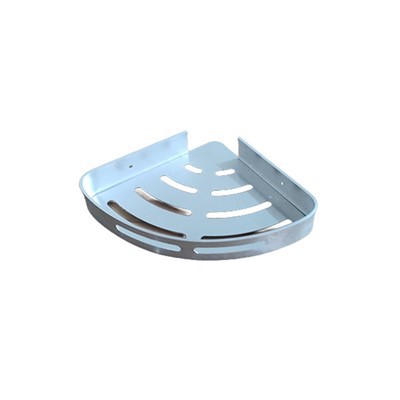
As a supplier of automotive stamping parts, I am committed to providing high-quality products that meet the needs of our customers. We use the latest technology and equipment to ensure that our parts are manufactured to the highest standards. We also have a team of experienced engineers and technicians who are dedicated to ensuring the quality and reliability of our products.
Stamped Metal Parts If you are in the market for automotive stamping parts, I encourage you to contact us to discuss your specific requirements. We would be happy to provide you with a quote and answer any questions you may have. Our team of experts will work with you to develop a solution that meets your needs and budget.
References
- ASM Handbook, Volume 14A: Metalworking: Bulk Forming. ASM International.
- Automotive Manufacturing Technology. Society of Automotive Engineers (SAE).
- Metal Forming Handbook: A Practical Guide to Sheet Metal Stamping. Industrial Press.
Yuyao Aozhou Metal Products Co., Ltd.
We are one of the most experienced automotive stamping part manufacturers and suppliers in China. With a professional production team, we are able to meet the needs of the majority of our customers. Please rest assured to buy customized automotive stamping part made in China here from our factory.
Address: No.6, Nanbailonggang, Wuma Industrial Zone, Lubu Town, Yuyao City
E-mail: xqr-2316@163.com
WebSite: https://www.cnaozhou.com/
