If you’ve spent any time in the cabinetry industry, you know that the difference between a generic kitchen or bathroom cabinet and a custom, long-lasting piece often comes down to the door panels. A high-quality cabinet door panel doesn’t just look polished—it stands up to daily wear and tear, resists warping from humidity, and fits seamlessly into the design vision of a project. As someone who’s been in the cabinet door panel supply business for over a decade, I’ve heard every version of this question: “Where can I buy high-quality cabinet door panels that won’t let me down?” Cabinet Door Panel
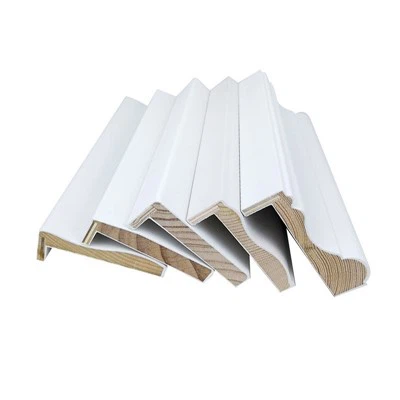
Let me start by being transparent. There are a lot of options out there, but not all are created equal. I’ve seen contractors, cabinet makers, and even DIY homeowners waste thousands of dollars on panels that peel, warp, or fade within a year. That’s why I want to break down what to look for, where to find reliable suppliers, and what questions to ask before you place an order—all from the perspective of someone who’s actually manufacturing and delivering these panels to clients every month.
First, let’s define what makes a cabinet door panel “high-quality.” This isn’t just a buzzword. A good panel starts with the material. Solid wood, for example, is a popular choice, but not all solid wood is the same. A premium solid oak or maple panel should be kiln-dried to eliminate excess moisture—this prevents warping in climates with high humidity, like the Southeast U.S., or dry, arid regions like the Southwest. If you’re working with engineered wood, medium-density fiberboard (MDF) with a solid wood veneer or thermofoil finish is standard, but look for MDF that’s formaldehyde-free and has a dense core to avoid denting or cracking. Plywood panels, meanwhile, need to have a cross-layered structure to add stability; cheap plywood often has voids in the core, which leads to uneven surfaces over time.
Beyond material, the craftsmanship matters. The edges should be sanded smooth, with no splinters or uneven cuts. The finish—whether it’s a lacquer, paint, or stain—should be applied evenly, with no runs or bubbles. For raised panel designs, the depth of the moulding should be consistent across every panel, so they fit together neatly when installed. I’ve seen suppliers cut corners here: they use low-grade cutting tools that leave rough edges, or skip a sanding step before finishing, leading to a dull, uneven look. That’s the kind of mistake that turns a custom cabinet job into a headache for both the installer and the end customer.
Now, let’s get to the question: where do you buy these panels? Here are the most common options, along with what to watch for in each.
First, specialized cabinet door panel manufacturers. This is where I work, and I’ll tell you why this is often the best choice. Unlike big-box home improvement stores that carry generic panels made for mass production, a specialized manufacturer focuses solely on cabinet door components. That means we invest in the right tools—precision CNC routers, kiln drying chambers, and UV finishing lines—to ensure every panel meets strict quality standards. We also offer customization: if a customer needs a specific size, profile, or finish, we can adjust our production to fit. Last year, a custom cabinet maker in Chicago came to us after buying panels from a big-box store that had 1/8 inch size variations between batches; we supplied panels that were within 1/32 inch of the specified size, so their installation went smoothly with no gaps or misalignments.
The downside here? You might not find the cheapest price, but in the cabinetry industry, you get what you pay for. A high-quality panel might cost 10-15% more than a generic one, but it will last 5-10 years longer, reducing callbacks and rework. I’ve had customers tell me that the extra cost was worth it because they didn’t have to replace cabinets a year after installation.
Second, wholesale distributors for cabinetry products. These distributors work with multiple manufacturers, so they can offer a range of panels in different materials and styles. This can be a good option if you need a small quantity—some distributors carry stock panels that ship within a few days, which is perfect for small jobs or last-minute replacements. But here’s the catch: not all distributors vet their suppliers. I’ve heard stories of distributors selling panels that were made with low-quality plywood, or finished with non-food-safe paints for kitchen cabinets. Before going this route, ask the distributor for details on the manufacturer behind the panels: what materials do they use, what quality control processes do they have, and can they provide samples? A reputable distributor will be able to answer these questions quickly; if they can’t, move on.
Third, custom woodworking shops. Some local woodworking shops make their own cabinet door panels, which is great for very unique, one-of-a-kind projects—like a custom kitchen for a historic home, where you need a specific wood species or a hand-crafted moulding. The downside is that lead times can be long, and pricing can be higher than a specialized manufacturer, since they’re not set up for large-scale production. If you go this route, ask to see examples of their past work, and check if they’ve had issues with warping or finishing on previous projects. I’ve collaborated with a few local woodworking shops on small custom orders, and it works well when we can’t cover a very niche demand, but for bulk orders, our manufacturing process is more consistent.
Fourth, online marketplaces like Etsy or Amazon. I know it’s tempting to look for a good deal here, but I’d caution you. The panels sold on these platforms are often mass-produced overseas, with little quality control. I’ve seen reviews from customers who ordered panels and received ones with visible knots, uneven finishes, or size inconsistencies. That said, there are small, independent sellers on these platforms who make high-quality panels—you just have to do your homework. Check the seller’s reviews, specifically for comments about quality and fit, and ask for a sample before placing a large order. Last year, a small designer from Florida bought samples from a seller on Etsy, and the panels were perfect, but she told me she’d ordered three other samples that were warped. It’s a risk, so only use this for small, low-stakes projects.
So, how do you vet a supplier, no matter where you find them? Here are the steps I recommend, based on what I’ve learned over the years.
First, ask for physical samples. A picture on a website doesn’t show the texture of the wood, the evenness of the finish, or the precision of the cuts. Any reputable supplier will be happy to send you samples—sometimes for free, sometimes for a small fee that’s refunded when you place an order. When you get the sample, run your hand over the edges to check for splinters, look closely at the finish for runs or bubbles, and measure the size with a ruler to make sure it’s what you need.
Second, ask about quality control processes. A good supplier will have steps in place to inspect every panel before it leaves the factory. That could be checking moisture levels for wood, measuring the thickness of the MDF, or doing a visual inspection of the finish. I have a team member who checks every single panel we ship, and we reject any that don’t meet our standards—even if it’s a small flaw. If a supplier can’t tell you what their quality control steps are, that’s a red flag.
Third, check lead times and minimum order quantities. If you’re a cabinet maker doing a large job, you might need panels in a week, not a month. Specialized manufacturers usually have faster lead times than custom woodworking shops, and they can handle large minimum orders. But make sure the supplier can meet your timeline—last minute delays can push back a project and cost you money. If you’re a small business or DIYer, look for a supplier with flexible minimum orders, so you don’t have to buy more panels than you need.
Fourth, ask about warranties. A lot of high-quality suppliers offer a warranty on their panels—usually for a year or more, against defects like warping or finish peeling. I offer a 2-year warranty on all my panels, because I stand behind the quality. If a supplier doesn’t offer a warranty, that means they don’t have confidence in their product.
I also want to share a few common mistakes I see people make when buying cabinet door panels. One is choosing the cheapest option without checking the material. A $10 panel vs. a $12 panel might seem like a big difference, but if the cheap one warps in six months, you’ll end up paying more to replace it than if you’d bought the higher-quality one upfront. Another mistake is not considering the environment where the panels will be installed. A bathroom, which has high humidity, needs panels that are moisture-resistant—MDF with a thermofoil finish or solid wood with a waterproof sealant. A kitchen might need panels that can withstand heat from ovens, so a finish that’s heat-resistant is important. I always ask customers where the panels will be installed before making a recommendation, because it makes a big difference in what works best.
As someone who’s been in this industry for years, I’ve built my business on trust. My clients know that when they order panels from me, they’re getting a product that’s been tested, crafted with care, and backed by a team that cares about their project. Whether you’re a small cabinet maker with a few jobs a year, a large contracting firm working on multiple projects, or a DIYer updating your home, finding a reliable supplier is key to the success of your work.

If you’re ready to source high-quality cabinet door panels that meet your exact needs, from custom sizes and finishes to reliable lead times and consistent quality, I invite you to reach out to our team to discuss your project. We can send samples, walk through our production process, and work with you to find the right solution for your budget and timeline.
Cabinet Door Panel References
- National Kitchen & Bath Association. (2022). Cabinetry Materials and Quality Standards.
- Wood Industry Manufacturers Association. (2021). Kiln Drying and Stability in Wood Products.
- U.S. Consumer Product Safety Commission. (2020). Formaldehyde Standards for Composite Wood Products.
- Fine Woodworking Magazine. (2019). How to Evaluate Cabinet Door Craftsmanship.
Yongkang City Dashu Decorative Materials Co., Ltd.
As one of the most professional cabinet door panel manufacturers and suppliers in China, we have world-leading production equipment and strong manufacturing capabilities. Please rest assured to buy bulk customized cabinet door panel at low price from our factory.
Address: No. 1199, Huajie West Avenue, Huajie Town, Yongkang City
E-mail: m13506791251@163.com
WebSite: https://www.dashutrim.com/
