Can White Masterbatch Be Used in Footwear Products?
I’ll admit, when I first started in the white masterbatch supply space seven years ago, I never imagined how often someone would stop me at a trade show or slide into my DMs asking, “Wait—can you guys even do footwear?” Most people I talked to in the shoe industry back then assumed white masterbatch was just for plastic buckets or children’s toys, not for something that goes on feet every single day. It’s been a wild ride watching that narrative shift, though—and over the last decade, white masterbatch has become one of the most critical materials in modern footwear manufacturing. Let’s break this down, not with the stuffy textbook jargon I had to memorize in my chem eng classes, but with the real-world perspective of someone who’s shipped thousands of tons of white masterbatch to sneaker factories, athletic wear brands, and even work boot makers across the globe. White Masterbatch

First, let’s get one thing straight: when we talk about white masterbatch for footwear, we’re not just talking about adding a little white pigment to plastic and calling it a day. Footwear has specific needs that most other plastic products don’t. Think about it: a running shoe midsole flexes thousands of times a mile. A sneaker upper gets exposed to rain, sweat, and harsh detergent every time someone cleans them. A work boot has to stand up to extreme temperatures, abrasion, and even chemicals on construction sites. If your masterbatch isn’t formulated right, that bright white color is going to yellow within months, or the pigment will settle unevenly, leaving streaks on the side of a shoe no designer would sign off on. That’s why, for us as a supplier, footwear-grade white masterbatch is a whole separate line of products—something we’ve spent years refining after learning a lot of hard lessons early on.
Let’s start with the basics of what white masterbatch actually is, in case you’re new to this. Masterbatch is a concentrated mixture of pigments, additives, and a carrier resin that you melt into base plastic during the extrusion or injection molding process. Instead of adding loose pigment (which is messy, uneven, and bad for factory air quality), you mix in small pellets of masterbatch, and the heat of the process disperses the pigment evenly throughout the plastic. For footwear, the carrier resin has to match the base resin of the shoe part you’re making—whether that’s thermoplastic polyurethane (TPU) for midsoles, polyethylene (PE) for outsoles, or polyester for knit uppers. Using the wrong carrier is a fast track to delamination or discoloration, which is why we spend so much time testing carrier-resin compatibility with our footwear clients.
Now, the big question: why does footwear need white masterbatch at all? You might think, “Why not just use white plastic resin?” Well, pure white resin isn’t a thing. Most base resins (whether they’re clear polypropylene for a shoe insole or gray TPU for a toe cap) are naturally off-white or slightly yellowed. To get that bright, clean white brands want—think Nike’s Air Force 1 all-white, Adidas’ Superstar shell toes, or even the crisp white stitching accents on hiking boots—you need a high-purity white pigment. Titanium dioxide (TiO2) is the go-to here, and for footwear, we use a specific grade of TiO2 that’s coated to resist UV rays, abrasion, and yellowing. That’s not the same TiO2 you use in house paint, either—for plastics, it’s processed to be compatible with melt temperatures of up to 250°C, which is standard for injection molding shoe components.
I remember a client from a small athletic shoe brand in Oregon reached out to me three years ago because their old masterbatch supplier had their entire production run of winter boots yellowing after just two months in stores. They thought it was the base resin, but when we tested their masterbatch, we found they’d been using a cheap, uncoated TiO2 that broke down when exposed to sunlight—something we see all too often when suppliers cut corners on footwear-grade formulations. The solution was simple: we sent them our UV-stabilized white masterbatch, adjusted the loading rate (how much masterbatch we add to the base resin), and their yellowing issue was gone. That’s the kind of problem we solve every week, and it’s why footwear is now one of our fastest-growing segments.
Let’s talk about specific footwear parts and how white masterbatch works for each one, because not all parts are made the same. First, midsoles—those cushiony parts between the insole and outsole that absorb impact, especially in running and training shoes. Most midsoles are made from expanded EVA (ethylene-vinyl acetate) or TPU, which are lightweight and flexible. When you injection mold EVA midsoles, you mix in the masterbatch before adding the blowing agent that creates the foam. If the masterbatch isn’t properly dispersed, you get uneven foam cells, which means the midsole won’t cushion evenly—no one wants a running shoe that’s lumpy after a few months. For midsoles, we also add anti-microbial additives to our white masterbatch, because sweat gets trapped in the foam and can cause odor. That’s a feature our clients love because it means they don’t have to add extra chemicals later, cutting down on production steps.
Next, outsoles—those rubbery or plastic parts that grip the ground. Outsoles need to be durable, slip-resistant, and resistant to oils, which is why they’re usually made from high-density PE or rubber. For outsoles, white masterbatch has to be extra stable because outsoles are exposed to more abrasion than any other part of the shoe. We recently worked with a work boot manufacturer that was having issues with their white outsoles scuffing easily, and when we analyzed their previous masterbatch, we found the pigment particles were too large, so they wore away quickly. Our footwear-grade masterbatch uses micronized TiO2, which is smaller and binds better to the base resin, so the white color stays even after scuffs and uses. That’s the kind of fine-tuning that makes a big difference for brands that need their products to hold up.
Then there’s the upper part of the shoe—whether that’s knit polyester, mesh, or synthetic leather. A lot of people don’t realize that knit uppers are also made with masterbatch. When you extrude the yarn for the knit, you add masterbatch to the polymer melt, so the color is already in the yarn before it’s woven. For white knit uppers, especially those in athletic shoes that are worn during intense workouts, the masterbatch has to be resistant to chlorine and sweat. We’ve had clients test our white masterbatch in pool shoes, and after 50 hours of exposure to chlorinated water, the color still looked bright—something that’s impossible with loose pigment or low-quality masterbatch. Also, for synthetic leather uppers, which are often used in dress shoes or fashion sneakers, the masterbatch has to be compatible with the polyurethane coating, so it doesn’t crack or flake off when the shoe is bent.
Now, let’s address the elephant in the room: durability and safety. A lot of people worry that adding masterbatch to footwear will make the product less safe, or that the chemicals in the masterbatch will leach out when you wear the shoes. That’s a valid concern, especially with kids’ shoes or shoes that go in contact with skin for long periods. For us, all our footwear-grade white masterbatch is certified to global safety standards—including REACH, RoHS, and FDA standards for contact with skin. We don’t use any heavy metals, phthalates, or harmful additives that could cause irritation or be dangerous if they leach. In fact, we’ve had several clients switch to our masterbatch because their old supplier’s product wasn’t meeting new EU safety regulations, and they were facing hefty fines for non-compliance. That’s a big part of why we prioritize certifications for our footwear line—because brands can’t afford to put their reputation or their customers’ safety at risk.
Another thing that’s unique to footwear: color consistency across production runs. If you’ve ever bought two pairs of the same all-white sneaker and noticed one is slightly brighter than the other, that’s a masterbatch issue. For shoe brands, especially big global ones, consistency is everything—they can’t have one pair that’s off-white in North America and another that’s bright white in Europe. Our white masterbatch is formulated to very tight color tolerances, so every batch we ship is within a Delta E of 1.0, which is barely visible to the human eye. We also use digital color matching tools to adjust formulations for specific brand needs, so if a brand wants a slightly warm white vs. a cool white, we can tweak the TiO2 loading and the carrier resin to get exactly that.
I’ve also seen white masterbatch used in some really innovative footwear designs lately, which is exciting. A few years ago, we worked with a brand that made glow-in-the-dark running shoes. They didn’t want the entire shoe to glow, just the side stripes, so we formulated a white masterbatch that had both TiO2 for the base color and phosphorescent additives that activate in the dark. The key here was getting the ratio of TiO2 to phosphorescent powder right—too much TiO2, and it blocked the light, so the glow didn’t work; too little, and the white color was off. That’s the kind of custom work we love doing, and it’s proof that white masterbatch isn’t just for basic white shoes anymore—it can be integrated into all kinds of advanced designs.
Of course, no conversation about masterbatch is complete without talking about cost. For footwear manufacturers, every penny counts, especially with the rise of fast fashion and competition from low-cost producers. A common misconception is that high-quality white masterbatch is more expensive than adding pigment directly, but that’s not the case when you factor in downstream costs. If you use loose pigment, you have to deal with mess, higher scrap rates, and longer production times because you have to clean equipment between runs. With masterbatch, you can run longer production cycles, less scrap means less waste, and the consistency of the color means fewer returns. We’ve calculated that for most footwear clients, switching to our footwear-grade white masterbatch cuts their total production cost by 5-8%—that’s a huge number when you’re producing millions of pairs of shoes a year.
I’d be lying if I said there haven’t been challenges. Early on, we tried to use our standard general-purpose white masterbatch for footwear, and we had a lot of failures. Midsoles yellowing, outsoles cracking, streaks on knit uppers—we learned the hard way that footwear has different requirements than other industries. That’s why we invested in a dedicated R&D lab specifically for footwear materials, and why we test every batch of masterbatch we ship for things like UV resistance, abrasion resistance, and color fastness to sweat. We even have a testing facility where we can simulate thousands of flex cycles on shoe parts to make sure the masterbatch holds up.
So, to circle back to the original question: Can white masterbatch be used in footwear products? The answer is a resounding yes. But it’s not just any white masterbatch—it has to be formulated specifically for footwear, with the right carrier resin, TiO2 grade, additives, and safety certifications. From the all-white Air Force 1s that have been popular for decades to the high-performance running shoes that help athletes break records, white masterbatch is the unsung hero that makes those bright, durable, safe shoes possible.
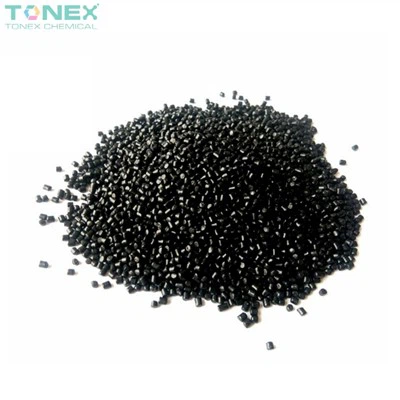
As a white masterbatch supplier that’s focused on the footwear industry, I can tell you that the demand is only growing. More and more brands are realizing that quality masterbatch isn’t an afterthought—it’s a core part of product design and performance. If you’re a footwear manufacturer looking to upgrade your masterbatch, or if you’re a brand that’s been dealing with color issues, yellowing, or safety compliance, we’d love to talk through your needs. We work with brands of all sizes, from small boutique labels to global sportswear giants, and we’re always happy to share samples and run custom tests to make sure our product fits your specific footwear application.
Additive Masterbatches You might be wondering, what makes us different from other masterbatch suppliers? We don’t just sell pellets—we provide solutions. We partner with our clients throughout the production process, helping them adjust loading rates, troubleshoot issues, and develop custom formulations for new shoe designs. We know the ins and outs of footwear manufacturing, from extrusion molding for midsoles to knitting for uppers, because we’ve worked in this space for years, not just in a lab. If you’re ready to stop dealing with subpar masterbatch and start getting bright, durable, safe white color for your footwear products, reach out to us to discuss your procurement needs.
References
- Lam, Y. C., & Lau, K. T. (2019). Polymer Additives for Footwear Applications. Journal of Applied Polymer Science, 136(15), 47215.
- European Chemical Agency (ECHA). (2022). REACH Regulation Compliance for Masterbatch in Consumer Goods.
- International Organization for Standardization (ISO). (2020). ISO 105-X12: Textiles – Tests for Colour Fastness – Part X12: Colour Fastness to Abrasion.
- American Society for Testing and Materials (ASTM). (2021). ASTM D412: Standard Test Methods for Vulcanized Rubber and Thermoplastic Elastomers – Tension.
- Zhang, H., et al. (2021). UV-Stabilized Titanium Dioxide Masterbatches for Outdoor Polymeric Applications. Polymer Engineering & Science, 61(8), 1987-1995.
Jinan Tonex Chemical Co., Ltd.
We’re well-known as one of the leading white masterbatch manufacturers and suppliers in China. With abundant experience, we warmly welcome you to buy bulk high quality white masterbatch for sale here from our factory. For price consultation, contact us.
Address: No.3699 Huayuan East Road, Jinan, Shandong, China
E-mail: yama@tonexchem.com
WebSite: https://www.tonexoba.com/
