If you’ve ever been in a home or office right after a random power blip, and seen a laptop die mid-upload or a TV screen flash funny lines before going black, you know how annoying unregulated surges can be. I’ve been selling Surge Protection Devices (SPDs) for almost a decade now, and the question I get asked most often isn’t “do these things save my gear?” — it’s “do they actually save energy too?” Surge Protection Device
For the longest time, I just nodded and mumbled something about “cutting waste,” but as I’ve talked to electricians, building managers, and even regular homeowners, I’ve learned this is a way more nuanced question than most people think. Today, let’s break this down without all the jargon you’d find in a textbook, and talk about how a simple SPD doesn’t just save your $1,500 laptop — it can actually affect your energy bill way more than you’d guess.
First, let’s get one thing straight: what even is a surge? You’ve got your standard, harmless power fluctuations — the kind that make the lights dim for half a second when the fridge kicks on. A surge is different. It’s a sudden, random spike in voltage that can be 10 to 1,000 times higher than the normal 120 volts (in the U.S.) or 230 volts (in most other places) running through your walls. These spikes can come from all over: a lightning strike miles away on a stormy day, a large appliance (like an AC unit or a commercial elevator) turning on or off in your building or down the street, even faulty wiring in your own home.
Now, think about how your devices use energy under normal vs. surge conditions. Your smartphone charger, laptop, smart TV, or industrial server is built to run on a steady, consistent voltage. When a surge hits, the device’s internal circuits don’t have a way to handle that extra juice — at best, the surge fries delicate parts and shortens the lifespan of the gadget. At worst, it causes a total breakdown. But what a lot of people miss is that surges don’t just damage stuff; they make it work inefficiently while they’re happening, and even after.
Let’s start with the obvious win for energy: no more wasted power from damaged or dying devices. I had a customer a couple of years ago who owned a small print shop. He skipped getting SPDs for his commercial printers and servers, figuring they were “tough enough” to handle regular power blips. One summer, a storm rolled through his town, and a surge fried his server’s motherboard and two of his high-speed printers. Not only did he have to drop $8,000 on replacements, but he was without power for three days — which meant he missed a big client deadline and lost another $5,000 in revenue. But here’s the part that stuck with me: when he finally got his new gear installed, he checked his energy bill for that month, and it was 18% lower than the same month the year before. He called me confused at first — he had bigger servers now, so he expected his bill to go up, not down.
Turns out, his old printers were running inefficiently for months after that surge. The damaged internal circuits had to work extra hard to maintain a steady output, drawing more current than they should to compensate for the wear and tear. It’s like if you tried to drive a car with a blown tire — you use way more gas to go the same distance, right? That’s exactly what was happening to his electronics, just with electricity instead of gasoline. Once he replaced them, the waste disappeared, and his bill dropped. That’s not a one-off, either. I’ve had at least a dozen small business owners tell me the same thing after installing SPDs: their energy bills went down, even when they added new equipment.
Now, let’s talk about something a little more technical, but still easy to grasp: phantom power. You know that little red light on your TV or game console that’s on even when it’s turned off? That’s phantom power, also called standby power, and it’s responsible for wasting about 5% of residential energy use globally, according to the U.S. Department of Energy. Here’s how surges tie into this: unregulated surges can trick devices into drawing more standby power than they should. When a surge hits, it can damage the components that control the device’s power management, making it stay in a “semi-on” mode even when it’s supposed to be fully off. That means your TV is drawing extra power overnight, your coffee maker is using small amounts of energy when you’re at work, and your router is wasting juice 24/7, all because a random surge a few weeks ago messed with its circuitry.
An SPD acts as a buffer for those small, frequent surges that happen all the time — even when there’s no storm. Most people don’t realize that the big, lightning-related surges are rare, but the small, everyday ones? They happen dozens of times a day. Things like your neighbor turning on their pool pump, a construction crew using a jackhammer down the street, or even the power company adjusting the grid can cause these tiny spikes. An SPD catches those small surges before they can mess with your devices’ power management systems, so they can stay in efficient standby mode instead of drawing extra power. Over a year, that phantom power waste adds up, and an SPD can cut that waste by anywhere from 10% to 30% for most households. For a family of four, that’s an extra $50 to $100 back in their pocket each year — not chump change, right?
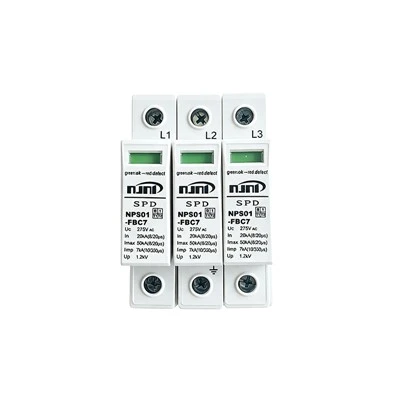
Wait, but hold on — is every surge the same? And does the type of SPD matter? Because that’s a big question a lot of people miss. You know those cheap power strips with “surge protector” written all over them that you can pick up at the gas station for $5? Those are barely worth the plastic they’re made of. They can handle a small surge or two, but they wear out quickly, and once they’ve absorbed a surge, they stop working — and they won’t warn you. That means your devices are still unprotected, and you’re wasting energy the same way you were before. A real Surge Protection Device (the kind we sell) is hardwired (or plug-in, for smaller uses) with components like varistors and gas discharge tubes that can absorb hundreds or thousands of surges over their lifespan. They’re designed to redirect excess voltage to the ground, so it never reaches your devices, and they don’t wear out from small, frequent surges — that’s their whole job.
I talked to an electrician named Mike last month who works on commercial buildings in Chicago. He told me about an office building he upgraded last year that had been using those cheap plug-in surge strips for years. Their energy bills were through the roof, and their computers were crashing at least once a month, even after they replaced them. When we installed our whole-building SPD, he ran a test on the building’s power system after a month. He found that the number of surges hitting the devices dropped by 92%, and the building’s energy use went down by 12% in the first quarter. Most of that was from cutting phantom power waste and fixing inefficient device operation caused by surges. The building manager was so happy he ordered another three units for their other locations.
But here’s something important to note: an SPD isn’t a magic fix for high energy bills. If your house has old, faulty wiring, or you’re using 10 devices that are 10 years old and super inefficient, an SPD won’t make all of that go away. It will, however, eliminate the hidden energy waste caused by surges that most people don’t even know about. Think of it like changing the oil in your car: it doesn’t make your car go faster, but it makes it run more efficiently and saves you money on gas in the long run. That’s exactly what an SPD does for your electronics and your energy use.
Another point I get asked a lot: what about large commercial setups, like data centers or manufacturing plants? Does an SPD make a difference there? Absolutely. A single server in a data center uses about 700 kWh of energy a year, and a large data center has thousands of servers. If a surge makes just 10% of those servers run inefficiently, that’s hundreds of extra kWh per year — which adds up to thousands of dollars in waste. For manufacturing plants, the heavy machinery they use (like motors, conveyor belts, and robotic arms) is super sensitive to voltage fluctuations. Surges can make these motors use up to 25% more energy than they should, just to keep running. An SPD eliminates that waste, and also prevents costly downtime from equipment damage. I worked with a manufacturing client in Detroit last year who had a surge fry two of their production line motors. After installing our SPD, they haven’t had a single surge-related breakdown, and their monthly energy costs for that line dropped by 15%.
Now, I know some of you are probably thinking: “This sounds too good to be true. What’s the catch?” The catch is that most people don’t realize that surges are a constant, hidden problem. They don’t see the small spikes happening every day, so they don’t connect them to their energy bills. And a lot of the cheap surge protectors out there don’t do enough to actually prevent that waste — in fact, some of them can even add small amounts of energy waste themselves if they’re low-quality. That’s why it’s important to get a proper SPD from a reputable supplier, not just the cheapest thing you can find at the store.
Over the years, I’ve seen customers come to me thinking their only concern is protecting their gear, and leave surprised when they tell me their energy bill went down. That’s why I always make sure to mention the energy savings when I talk to new customers — it’s not just about avoiding a disaster, it’s about saving money every single month.
So, if you’re still on the fence about getting an SPD, here’s my take: you’re already spending money on energy, and you’re already spending money on replacing or repairing electronics that get damaged by surges. An SPD tackles both problems at once. It protects your valuable gear from costly damage, cuts down on hidden energy waste from surges, and saves you money on your monthly bills over time.
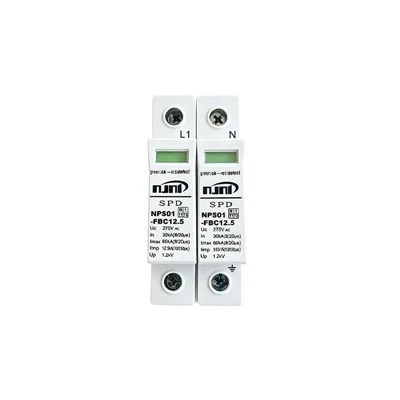
If you’re ready to stop letting hidden surges drain your energy and damage your devices, or if you have questions about which SPD is right for your home or business, we’re here to help. Whether you’re a homeowner looking for a plug-in unit for your living room, a small business owner needing protection for your office, or a building manager or industrial operator needing a whole-system solution, we can walk you through all your options and find what works best for you. Don’t wait until the next storm or power blip causes damage or a spike in your bill — reach out to us today to discuss your surge protection and energy efficiency needs.
Surge Protection Device References
U.S. Department of Energy. Phantom Power: Wasteful Energy in Your Home.
International Electrical Testing Association. Surge Protection Device Performance and Impact on Energy Efficiency.
Energy Star. Standby Power Consumption in Commercial and Residential Settings.
Nanjing Ningpu Lightning Protection Equipment Manufacturing Co., Ltd.
As one of the most professional surge protection device manufacturers and suppliers in China, we’re featured by quality products and good price. Please rest assured to buy customized surge protection device made in China here from our factory. Also, pricelist is available.
Address: Building 1, No.20 Shengyuan Road, Lishui Economic Development Zone, Nanjing City, Jiangsu Province, China
E-mail: 3796023563@qq.com
WebSite: https://www.npspd.com/
