If you’ve ever stood in a pump parts aisle—whether in an industrial warehouse, a workshop, or scrolling through an online supplier’s catalog—and thought, “Wait, is this part actually going to work with my system?” you’re not alone. As a pump parts supplier who’s been in this space for over a decade, I’ve heard that question a thousand times, from small business owners with a single water pump to plant managers overseeing a production line with 20+ centrifugal pumps. The truth is, choosing the right pump parts isn’t just about grabbing the part that looks like the old one you pulled out. It’s a mix of understanding your pump’s unique needs, prioritizing performance over price, and knowing which small details make the biggest difference. Let me walk you through the steps I share with every customer who calls us asking for help picking parts. Pump Parts
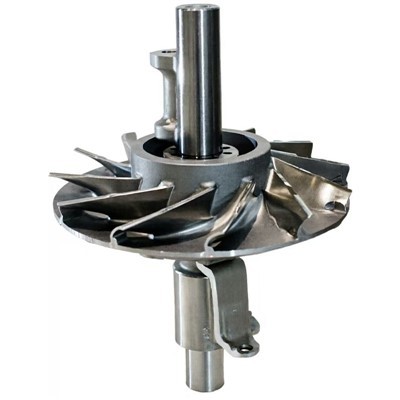
First, start with the absolute basics: your pump’s make, model, and serial number. This might sound too simple, but you’d be surprised how many people skip this. Last year, a customer emailed us asking for a “impeller for a 5hp pump.” That’s not enough info. What brand is the pump? Is it a centrifugal pump for agricultural irrigation, or a positive displacement pump for moving viscous food products? The same 5hp rating could mean a dozen different pumps, each needing a slightly different impeller size, material, and mounting configuration. Once you have the make, model, and serial number, pull up the pump’s original equipment manufacturer (OEM) documentation. Most OEMs publish parts lists online, and these lists are non-negotiable. They specify every part that’s designed to work with your pump, from the seal to the bearing. For example, a Grundfos CR series pump will have a specific mechanical seal that’s rated for 180°F, while a Bell & Gossett 1510 series uses a seal rated for 220°F. Mixing those up leads to leaks, premature part failure, and costly downtime. I always tell customers: if you can’t find your OEM parts list, send us a photo of the pump’s nameplate. The nameplate has all the info we need to pull the correct part, no guesswork required.
Next, assess what your pump is actually moving. That’s a detail that changes everything, and it’s one I never let a customer gloss over. Pump parts are made of different materials for a reason. If your pump is moving clean water for a residential well, a cast iron impeller and seal will work fine. But if you’re moving saltwater for a desalination plant, cast iron will corrode in weeks—you need a bronze or 316 stainless steel impeller, and a seal with a silicon carbide face to handle the salt’s abrasive nature. If your pump is moving food-grade syrup or pharmaceuticals, the parts have to meet 3-A sanitary standards, not just resist wear. Last quarter, a craft brewery called us because their pump was seizing up every month. They’d been buying generic cast iron impellers online, thinking they were identical to the OEM parts. The problem? Their wort (unfermented beer) has a pH of around 4.2, and cast iron reacts with acidic liquids, breaking down quickly. Swapping in a 304 stainless steel impeller, which is rated for acidic food products, fixed the issue and cut their part replacement time from 30 days to over a year. Even something as simple as a seal depends on the fluid: if you’re moving oil or grease, you need a seal with a nitrile (Buna-N) face, which is resistant to hydrocarbons. For chemicals like chlorine, you need a seal with a Viton face. Ignoring the fluid’s properties leads to parts that fail fast, and that’s not just a waste of money—it’s a safety risk in industrial settings.
Once you’ve got the make, model, and fluid sorted, think about the operating conditions of your pump. This is where a lot of first-time buyers make the mistake of picking a part that’s rated for the original pump, but not for how they actually use the pump. Let’s talk about pressure and temperature first. A pump that runs at 100 PSI will need a different seal than one that runs at 50 PSI. If you raise your system’s pressure (say, you added a second pump to your irrigation system, increasing total pressure by 30%), the original seal might not hold up. Temperature is another big one: if your pump is in a hot climate, or moving fluid at 180°F, a standard nitrile seal will harden and crack over time, even if that seal works fine for a pump moving cold water at 70°F. Then there’s run time. Does your pump run 24/7, like a pump in a municipal water treatment plant? Or does it only run a few hours a day, like a sump pump in a home? Parts for continuous run pumps are built for durability, with higher grade materials and tighter tolerances, while parts for intermittent run pumps can be more economical. I once had a customer who bought cheap, generic bearings for his 24/7 wastewater pump. The bearings cost $15 each, but they failed every 2 months, costing him 8 hours of downtime each time to replace them. When he upgraded to the OEM bearings, which cost $40 each, they lasted 18 months. That’s a no-brainer, right? The upfront cost is higher, but the long-term savings on downtime and replacement parts are massive.
Another key factor: is your pump custom-built, or part of a standard line? A lot of industrial pumps aren’t off-the-shelf models—they’re modified for a specific application, which means their parts aren’t listed in generic OEM parts catalogs. For these pumps, you can’t just go by make and model; you need measurements of the part itself. Let’s take impellers as an example: the diameter, width, and hub size all have to be exact. If you’ve replaced your pump’s volute (the casing that holds the impeller) with a custom one, the impeller size might be slightly different than the original, even if the pump has the same make and model. In these cases, we always ask customers to send us dimensions: from the hub to the tip of the impeller blades, the bore size (the hole that fits onto the pump shaft), and the overall width of the impeller. The same goes for seals: the shaft size, face type, and spring configuration have to match. I’ve seen customers try to file down an impeller or grind a seal to fit, and that almost always leads to failure within a week. Precision matters here, and that’s why working with a supplier who can take custom measurements is so important. We have a full quality control team that verifies every part’s dimensions before it ships, so you don’t have to worry about getting a part that’s “close enough.”
Wait, let’s also talk about aftermarket vs. OEM parts, because that’s a question I get every single day. A lot of customers ask, “Are aftermarket parts as good as OEM?” The short answer is: sometimes, but not always. High-quality aftermarket parts are made to meet or exceed OEM specifications, using the same materials and manufacturing standards, and they cost 20-30% less than OEM. But there are a lot of cheap aftermarket parts out there that are made with lower grade materials, so they’re not durable. Here’s how to tell the difference: if an aftermarket supplier guarantees their parts match OEM specs for material, pressure rating, and temperature rating, and has reviews from other customers in your industry, they’re worth considering. If a part is 50% cheaper than OEM and doesn’t have clear specifications, it’s probably going to fail. Last year, we had a customer who tried a super cheap aftermarket seal for his fire pump. The seal failed during a routine test, and the pump was out of commission for 3 days while we replaced it. The cost of that downtime was way more than the money he saved on the cheap seal. I always tell customers: prioritize parts that are rated for your specific operating conditions, whether they’re OEM or high-quality aftermarket. Don’t let price be the only deciding factor.
Once you have all this info, how do you make sure you’re getting the right part? Let’s outline a quick checklist you can use every time you need to order pump parts: 1. Grab your pump’s make, model, serial number, and photo of the nameplate. 2. Write down what fluid your pump moves, and its temperature, pressure, and pH. 3. Note how often your pump runs (continuous vs. intermittent) and any recent changes to your system (like adding a new component that increased pressure). 4. If your pump is custom, take measurements of the old part (impeller, seal, bearing) before you remove it. 5. Check if you’re willing to pay a little more for parts that will last longer, or if you need a temporary replacement for a short-term fix.
At the end of the day, choosing the right pump parts is about avoiding preventable downtime. I’ve seen customers lose thousands of dollars in a single day because they grabbed the wrong seal or a cheap impeller. That’s why our team is here to help. We don’t just sell parts—we help you pick the right ones for your specific pump, application, and budget. If you’re not sure which part you need, or you’re tired of dealing with parts that fail too fast, don’t guess. Reach out to our procurement team to discuss your needs. We’ll walk through every detail with you, send you part specs, and make sure you get the right part the first time, so you can get back to running your operation without delays.
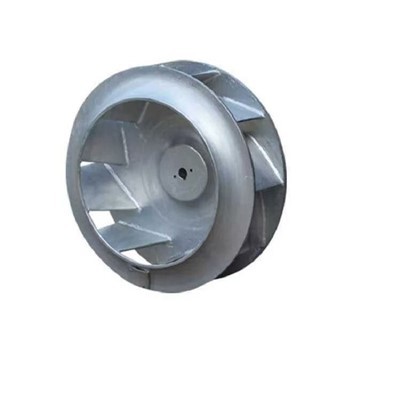
Now, a quick note to wrap this up: I’ve been in this industry long enough to know that pump parts don’t have to be complicated. You don’t need an engineering degree to pick the right part—you just need to pay attention to the details that matter: the pump’s identity, the fluid it moves, the conditions it runs in, and the quality of the part itself. Skip the guesswork, skip the cheap no-name parts, and work with a supplier who has your back. That’s how you keep your pump running smoothly, for longer.
Fan Impeller References:
- Pump Industry Association. (2021). Guide to Selecting Pump Components for Industrial Applications.
- American Society of Mechanical Engineers. (2019). Standard for Pump Material Compatibility with Process Fluids.
- Grundfos Technical Support. (2020). Parts Identification and Selection for Centrifugal Pumps.
- National Water Well Association. (2022). Best Practices for Pump Part Replacement in Residential and Agricultural Systems.
Shandong Shunye Stainless Steel Co., Ltd.
Address: Shandong Province, Binzhou City, Wudi County, Liubao Town, Zhangdong Road, Duliucun Village
E-mail: sales@wdshunye.com
WebSite: https://www.shunyecasting.com/
