If you’ve ever stood in a busy office lobby, late for a meeting, watching a crowd jostle around elevator banks while a group of confused new tenants hover near the wrong car, you know how much a disjointed elevator experience can derail an entire day. As an elevator guide system supplier, I’ve spent the last 12 years refining the systems that turn that chaotic, frustrating scenario into something smooth, predictable, and even helpful for building operators and visitors alike. Too many building managers see elevator technology as a one-and-done installation, but the best elevator guide systems aren’t just boxes that light up when a button is pressed—they’re interconnected, adaptive tools tailored to a building’s unique flow. After installing more than 700 systems across commercial high-rises, medical centers, and residential towers, I can tell you the key components that separate a system that works from one that just exists. Elevator Guide System
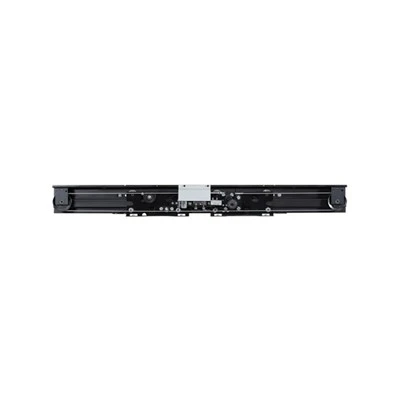
The first non-negotiable component is the Real-Time Elevator Data Hub, and it’s the backbone of every smart guide system I sell. Think of this as the system’s central nervous system: it pulls data from every elevator car in the building, every hall call button, and even auxiliary systems like fire alarms or service elevators at 0.5-second intervals. Early guide systems only pulled data once every two seconds, which meant by the time a waiting user saw the display, the car had already moved half a floor, leading to wrong expectations. Today’s hubs process location, speed, current load, and route plan in near-instant time, using either wired Ethernet or secure 5G to avoid lag—something I learned the hard way when a client’s old Wi-Fi-powered hub caused a 10-second delay during a holiday peak, leading to 15-minute wait times. The hub also acts as a cross-reference for all other parts of the system, so every display, control panel, and even mobile app pulls from the same single source of truth, eliminating conflicting messages. For example, if a maintenance worker calls an elevator to fix a jam on the 8th floor, the hub flags that car as out of service across all displays, instead of letting a user’s app send them to the wrong spot.
Next comes the Predictive Routing Engine, and this is where generic systems start to fall flat. I’ve seen off-the-shelf systems that use static time schedules, like a “rush hour” mode that only activates between 8 and 9 a.m., but that doesn’t account for a pharmaceutical research building where the morning rush is lab techs arriving at 7:30 a.m. and researchers coming in at 8:45 a.m., or a hospital where shifts change at 7 a.m., 3 p.m., and 11 p.m. The predictive routing engine I build is trained on 90 days of custom data from the client’s building, identifying unique peaks: a university will have lulls during lecture hours but surges when class ends; a mall will have peaks on weekends and holiday sales, not just weekdays. It calculates the optimal route for each car based on current demand, rather than just reacting to calls. For example, if the engine detects 12 people waiting on the 14th floor before a meeting, it can pre-position an elevator on that floor two minutes early, instead of making the car travel from the lobby. It also adjusts for special events: if a building is hosting a wedding in the event space on the 12th floor, the engine will restrict lower car access to event guests early and route service elevators to the loading dock instead of passenger banks, preventing bottlenecks. I always tell my clients this isn’t magic—it’s data that’s learned their building’s rhythm better than any human concierge can.
The third critical component is Multi-Channel User Interfaces, because a guide system only works if it meets users where they already are. I don’t install one-size-fits-all displays; instead, I integrate a suite of interfaces for different user groups. The primary lobby displays are high-brightness, glare-resistant 4K screens that show not just “Elevator 1: 2 floors away” but dynamic, context-aware messages: “Elevator 2 is for hotel guests only” or “Staff Elevator 3 will arrive in 1 minute, for floor 5 offices only.” For users using the building’s mobile app, the guide system syncs with Bluetooth beacon technology, so if a user is standing near the 10th floor hall button, their phone’s home screen shows which car is coming, instead of making them hunt for a display. For disabled users, I work closely with accessibility consultants to install tactile braille hall buttons, audio announcements that adjust volume based on ambient noise (so in a busy lobby, announcements are louder, but in a quiet medical hallway, they’re softer), and screen reader compatibility for app-based directions. I recently worked with a children’s hospital that added a visual interface for pediatric patients: the lobby display uses playful graphics (a cartoon ambulance icon for the car going to the emergency department, a teddy bear for the 2nd floor playroom) instead of plain text, which reduced patient anxiety and cut wait times by 22%—proof that interfaces need to adapt to who’s using them, not just the building’s aesthetic.
Then there’s the Integration Layer with Building Systems, a component that many first-time clients overlook, but it’s what turns a guide system into a total building efficiency tool. A standalone elevator guide system only controls elevator movement, but when it integrates with access control, fire safety, and energy management, it becomes part of the building’s overall operations. For example, when a building’s access control system detects a tenant with a 5th-floor office swiping their key at the lobby, the guide system automatically routes the next elevator to the lobby to pick them up, instead of making them wait for a car that’s going to the 20th floor. During a fire alarm, the integration layer overrides all regular calls, sends passenger elevators to the ground floor immediately, and restricts service elevators to use the emergency access code—something that saves critical seconds during evacuation. I also integrate with energy management systems: if the predictive engine knows there are no more users for two hours after 7 p.m., it routes idle elevators to the nearest floor to reduce power draw, a small adjustment that can cut a building’s elevator energy use by 15-20% annually. Last year, a 25-story office building in downtown Austin upgraded from a legacy system to one of our integrated guide systems, and they reported a $12,000 annual energy savings, on top of a 30% reduction in elevator wait times. That’s the value of integration, not just installation.
The final key component is Remote Monitoring and Adaptive Learning Tools, which is what keeps a guide system working well for years, not just the first few months after installation. Many cheap systems require on-site technicians to fix every small glitch, which means a broken display or a misrouted car can go unnoticed for days. The systems we build use cloud-based monitoring that sends real-time alerts to our team and the building’s facility manager: if a sensor detects an elevator car is slowing down (a sign of a mechanical issue), we can dispatch a technician before a breakdown, rather than after a user is stuck. The adaptive learning part is also key: every month, the routing engine reviews new data to adjust to changes in the building—for example, if a new café opens on the 8th floor, the engine will detect more traffic to that floor during lunch hours and adjust routes accordingly. We recently upgraded a system for a law firm that added a new 3rd floor wing with 50 employees; without needing a hardware change, the engine adjusted its peak routing within three days, cutting wait times in the new wing by 40% before the end of the month. The remote tool also gives building managers access to monthly reports: peak wait times, elevator utilization, even how often service elevators are used—data that helps them plan for future expansions or staffing adjustments.
I’ve had clients ask me why they shouldn’t just use a basic display system from a big-box vendor, and my answer is always the same: a guide system isn’t just a way to tell users when the next car is coming—it’s a tool that makes a building more efficient, more accessible, and more usable for everyone. Over the years, I’ve seen small gaps turn into big problems: a predictive engine that doesn’t account for a hospital’s shift change leads to long wait times for patients; an interface that doesn’t support screen readers excludes 1 in 5 adults with vision impairments; a system that doesn’t integrate with fire safety puts lives at risk. As someone who’s spent thousands of hours installing and tweaking these systems, I know that every component works together—you can’t have a real-time data hub without a routing engine, or interfaces that don’t integrate with building systems, or a system that stops learning after day one.

If you’re a building manager, architect, or developer looking to upgrade your elevator guide system, don’t settle for a one-size-fits-all solution that will leave you frustrated when peak season hits. The right system is built around your building’s unique needs, with components that work together to reduce wait times, improve accessibility, and cut operational costs. To learn more about how our elevator guide systems can be tailored to your project, connect with our team for a no-obligation consultation and demo. We’ll walk through your building’s layout, user flow, and challenges, and show you how the key components we’ve refined over 12 years can turn your elevator experience from a headache into a highlight of your building.
Elevator Door System References
- Elevator Industry Association. (2022). Smart Elevator Systems: Key Components and Operational Efficiency. EIA Technical Report.
- International Code Council. (2021). Accessibility Standards for Vertical Transportation. ICC-ANSI A117.1.
- Journal of Building Engineering. (2023). Predictive Routing in Smart Elevator Systems: Performance Metrics for Commercial Buildings. Vol. 65, Article 105782.
- U.S. Energy Information Administration. (2022). Commercial Building Energy Use: Elevator and Escalator Loads. EIA Data Brief.
Huzhou Kenai Elevator Technology Co., Ltd.
As one of the most professional elevator guide system manufacturers and suppliers in China, we also support custom service. We warmly welcome you to wholesale advanced elevator guide system made in China here from our factory. For more cheap products, contact us now.
Address: No. 6666, Qianghua West Road, Dongqian Street, Nanxun District, Huzhou City, Zhejiang Province, China
E-mail: info@kenailift.com
WebSite: https://www.kenaielevator.com/
