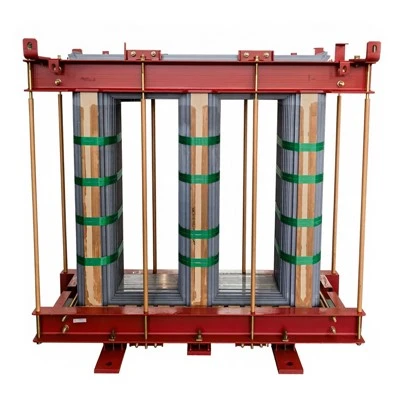
If you’ve ever stood in a manufacturing facility, watching a transformer hum steadily or an electric motor power a conveyor belt, you might’ve wondered what makes those core components work so reliably. As an iron core supplier, I spend most days in our production yard, working with iron and steel alloys that form the backbone of billions of electrical devices around the world. But for years, I’ve also thought a lot about the flip side of that work: what happens when we produce the iron cores that keep modern life running? The environmental impacts of this process aren’t something I can ignore—they’re the reason my team has spent the last five years refining our operations to reduce our footprint, while still delivering the durable, high-performance cores our clients rely on. Iron Core
Let’s start at the very beginning, because the environmental cost of iron core production starts long before we cut, stamp, or anneal a single piece of metal. Most iron cores are made from electrical steel, a specialized alloy designed to minimize energy loss from magnetic hysteresis and eddy currents. To make electrical steel, we first need iron ore, the raw material mined from the earth. I’ve visited two iron ore mines in the Upper Midwest, a region that supplies roughly 15% of the U.S.’s domestic iron ore, and what strikes me most isn’t the scale of the pits, but the disruption. Open-pit mining, the method used for 90% of this ore, requires clearing vast swathes of forest and topsoil, displacing wildlife and altering natural drainage patterns. One mine I toured has left a 2-mile-wide hole in the ground, and while operators are required to reclaim land once mining ends, that process can take decades—if it’s done at all. Even underground mining carries risks: acid mine drainage, when water seeps through rock waste and picks up sulfuric acid, can contaminate nearby rivers and groundwater for centuries. I still remember seeing a local creek in Minnesota years before remediation work began, its water bright orange from iron leaching out of abandoned mine shafts. That’s a tangible impact, one that doesn’t show up in the specs sheet for a core, but matters more than any efficiency number.
Once the iron ore is extracted, it’s processed into pig iron, the intermediate product that becomes steel, and that’s where some of the biggest environmental hits happen. The blast furnaces used to smelt pig iron run at temperatures over 3,000 degrees Fahrenheit, and they’re major sources of greenhouse gas emissions. A single large blast furnace can burn through 10,000 tons of coke, a fuel made from coal, every week, releasing carbon dioxide, methane, and nitrous oxide—all potent greenhouse gases. The World Steel Association estimates that iron and steel production accounts for roughly 7% of global carbon dioxide emissions, a number that’s held steady even as the industry has become more efficient. What many people don’t know is that this phase also produces large volumes of solid waste: slag, a byproduct of limestone and impurities in the ore, and flue dust, fine particles of metal and carbon that are captured from exhaust gases. Some slag is reused in road construction or cement, but up to 30% of it is still stored in large slag heaps, which can leach heavy metals like lead and cadmium into soil if not properly lined. Early in my career, our supplier used to send all their slag to an unlined site in western Pennsylvania; now, they’ve switched to lined storage, but that adds to the cost, and it’s still a far cry from eliminating waste entirely.
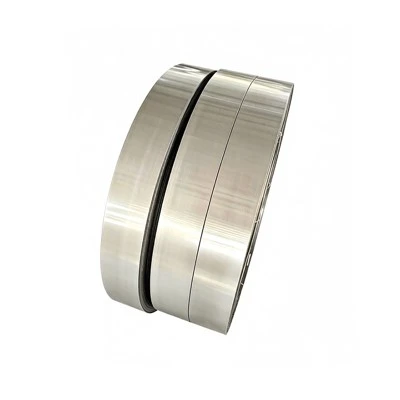
Moving past pig iron, we get to the step that actually makes electrical steel: alloying with silicon. Adding 2-3% silicon to iron reduces its magnetic losses, turning plain steel into the specialized material we need for iron cores. But alloying requires more heat, and more energy-intensive refining processes. The blast furnace’s pig iron is converted into steel in basic oxygen furnaces or electric arc furnaces (EAFs), and this is where there’s a big split in environmental impact. EAFs, which melt scrap steel, use 75% less energy than basic oxygen furnaces, and they produce 70% fewer emissions. For a long time, most electrical steel was made with basic oxygen furnaces, but over the last 15 years, more and more suppliers—including the ones we work with—have shifted to EAFs that run on renewable energy. I’ve seen the difference firsthand: our primary steel supplier now powers their EAFs with wind energy from a farm in Iowa, and their annual carbon footprint for electrical steel production is 40% lower than the industry average. That’s not just a marketing line; that’s a number we can verify, because we audit every step of their supply chain to make sure it aligns with our own goals.
Once we have the electrical steel coils, the next stage is forming the iron core itself, and that’s where a lot of our day-to-day work as a supplier comes in. Most iron cores are stamped into specific shapes—Laminated cores, used in transformers and motors, are made by stamping thin sheets of steel into individual laminations, then stacking and bonding them together. Stamping is a precise process, but it produces waste: when you cut a 4-foot sheet of steel into small laminations, the leftover offcuts are sometimes called “trim loss,” and that’s another environmental consideration. For a long time, trim loss for electrical steel was around 20%, meaning one-fifth of the steel bought never becomes part of a core. That’s not just a financial loss; that’s a waste of the energy and raw materials that went into making that steel. A few years ago, we worked with our tooling team to redesign our stamping dies to reduce trim loss by 8%. It took six months of testing, reworking, and adjusting, but the payoff wasn’t just lower material costs—it was sending 8% less steel scrap to the landfill every month. Now, we work with a local scrap recycler that processes all our trim loss, and they send 95% of it back to steel mills to be remelted into new steel. That’s a closed loop, and it’s small, but it adds up.
Another part of core production that’s often overlooked is surface treatment and annealing. Annealing is the process of heating the stamped laminations to high temperatures, then cooling them slowly to reduce internal stress and improve their magnetic properties. This step requires carefully controlled atmospheres—most often hydrogen or nitrogen—to prevent the steel from oxidizing. If we used unprocessed natural gas to power our annealing furnaces, we’d be releasing a lot of carbon, so instead, we switched to biogas from a landfill in Ohio. The landfill captures methane that would otherwise escape into the atmosphere (methane is 25 times more potent than CO2 as a greenhouse gas) and burns it to generate heat for our annealing process. That cut our annealing-related carbon emissions by 65% in just two years. We also use a thin, inorganic coating on the laminations to insulate them from each other, which reduces eddy current losses. For a long time, this coating was a petroleum-based product that contained volatile organic compounds (VOCs), harmful air pollutants that can cause respiratory issues. Last year, we switched to a water-based ceramic coating, and not only did that eliminate all VOC emissions from our coating process, it also improved the performance of our cores, because the ceramic is more heat-resistant than the old coating. It’s a win for the environment and for our clients, who get a better product.
Now, let’s talk about the side of core production that’s harder to quantify: water use and pollution. Making steel uses a lot of water—roughly 25 gallons per ton of steel produced, mostly for cooling and cleaning. For our plant, that means we use around 10,000 gallons of water a day, and we used to draw that from a local river. A few years ago, we installed a closed-loop water system that recycles 98% of the water we use. Now, the only water we take from the river is the small amount that evaporates or is lost in the process, and we test every drop of water we discharge to make sure it meets state environmental standards—something we started doing even before the state required it, because if we’re not protecting the river that’s nearby, what’s the point of what we do? We also keep a close eye on air emissions from our stamping and cutting processes. We use dust collection systems that capture 99.9% of the metal particles released when we stamp steel, and those particles are collected, recycled, and reused. We used to have a visible plume coming from our smokestack when we first opened, now it’s almost invisible, and our local air quality board has given us an award for reducing particulate emissions by 90%.
Of course, no one can say iron core production is entirely without environmental impact. There’s still waste, there’s still energy use, there’s still the fact that we rely on mining for raw materials, even when we work hard to reduce our footprint. And that’s why we don’t stop at just improving our own operations—we work with our suppliers to hold them to the same standards. Last year, we switched our primary iron ore supplier to one that uses more efficient mining methods, reducing their water use by 20%, and we now require all our steel suppliers to report their annual carbon emissions as part of our supplier contract. We also invest in research into new materials: we’re currently testing a composite core material that uses less virgin iron ore, made from recycled steel and a small amount of magnetic ceramic. It’s still in development, but early tests show it performs almost as well as pure electrical steel, and if it works at scale, it could cut the environmental impact of core production by nearly half.
As an iron core supplier, my job isn’t just to deliver parts that keep motors and transformers running. It’s to do that in a way that doesn’t leave a heavy burden on the planet. I know that when a client chooses to work with us, they’re not just getting a core—they’re getting a product that was made with care for the environment, from the ore we dig (responsibly, when we can) to the final stamped lamination that ships out to their facility. If you’re a designer, engineer, or operations manager looking for iron cores that meet your performance needs while aligning with sustainability goals, we’d welcome the chance to talk through your requirements and share more about how our process works. Let’s collaborate to find a solution that works for your project and our planet.
Silicon Steel Coils and Sheets References
World Steel Association. (2023). Steel and Climate Change: Pathways to Net Zero. Brussels, Belgium.
U.S. Environmental Protection Agency. (2022). Inventory of U.S. Greenhouse Gas Emissions and Sinks. Washington, D.C.
International Iron and Steel Institute. (2021). Life Cycle Assessment of Electrical Steel Production. Paris, France.
Wuxi Zhongpu Electric Co., Ltd.
As one of the most professional iron core manufacturers and suppliers in China, we also support customized service. Please feel free to wholesale bulk high quality iron core made in China here from our factory. Welcome to contact us for pricelist.
Address: No.52 Jiankang Road, Donggang Town, Xishan District, Wuxi City, Jiangsu Province
E-mail: 13585006135@163.com
WebSite: https://www.zhongpuelectric.com/
