In the textile industry, the breathability of fabrics is a crucial factor that significantly impacts the comfort and functionality of the end – products. As a supplier of quilted fabric, I often receive inquiries from customers about whether quilted fabric is breathable. In this blog post, I will delve into the science behind fabric breathability, explore the factors that affect the breathability of quilted fabric, and provide insights to help you make informed decisions when choosing quilted fabrics for your projects. Quilted Fabric
Understanding Fabric Breathability
Before we discuss the breathability of quilted fabric, it’s essential to understand what fabric breathability means. Breathability refers to the fabric’s ability to allow air and moisture (such as sweat) to pass through. When a fabric is breathable, it can help regulate body temperature by allowing heat and moisture to escape from the body, which prevents the build – up of sweat and reduces the feeling of discomfort.
The breathability of a fabric is commonly measured in terms of moisture vapor transmission rate (MVTR). MVTR indicates how much moisture (in grams) can pass through a square meter of fabric in 24 hours. A higher MVTR value means the fabric is more breathable.
Components of Quilted Fabric and Their Impact on Breathability
Quilted fabric is a composite material typically made up of three layers: a top layer, a batting (filling) layer, and a bottom layer. Each layer can have a different impact on the overall breathability of the quilted fabric.
Top Layer
The top layer of quilted fabric is often made of various materials such as cotton, silk, polyester, or a blend of these fibers. Natural fibers like cotton and silk are generally more breathable than synthetic fibers like polyester. Cotton has a porous structure that allows air and moisture to pass through easily. Silk, on the other hand, has fine fibers that can wick away moisture and provide a certain degree of breathability.
Polyester, a synthetic fiber, has a lower breathability compared to natural fibers. However, modern polyester fabrics are often engineered to improve breathability through technologies like micro – porosity. These engineered polyesters can have enhanced moisture – wicking properties, allowing sweat to be drawn away from the body.
Batting Layer
The batting layer in quilted fabric is the filling material that provides insulation and thickness. Common batting materials include cotton, wool, polyester, and down. The choice of batting material can greatly affect the breathability of the quilted fabric.
Cotton batting is known for its breathability. It is a natural fiber that allows air to circulate through the quilt, making it a good choice for warm – weather applications. Wool batting is also breathable and has excellent moisture – absorbing properties. It can absorb a significant amount of moisture without feeling wet, which helps to keep the body dry and comfortable.
Polyester batting, on the other hand, is less breathable compared to natural fibers. It tends to trap heat and moisture, which can lead to a feeling of stuffiness. Down batting, although highly insulating, has poor breathability. It is often used in cold – weather quilts where insulation is the primary concern.
Bottom Layer
Similar to the top layer, the bottom layer of quilted fabric can be made of different materials. Again, natural fibers are generally more breathable than synthetic fibers. The choice of the bottom – layer material also depends on the intended use of the quilted fabric. For example, if the quilted fabric is used for bedding, a soft and breathable cotton bottom layer can provide a comfortable sleeping experience.
Construction Techniques and Breathability
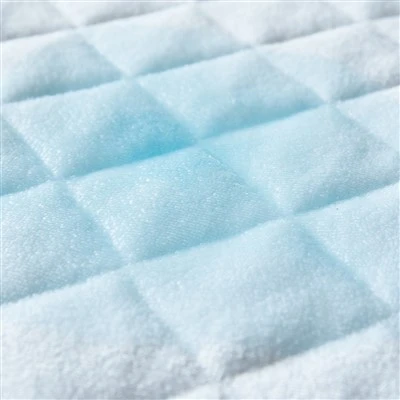
The way the quilted fabric is constructed also plays a role in its breathability. The quilting pattern, for example, can affect the airflow within the fabric. A tight quilting pattern can restrict the movement of air and moisture, reducing the breathability of the fabric. On the other hand, a looser quilting pattern allows more air to circulate, enhancing the breathability.
Another construction factor is the type of stitching used. Some stitching techniques, such as straight stitching, may have a minimal impact on breathability. However, more complex stitching patterns or heavy – duty stitching can potentially compress the batting layer, reducing its ability to allow air and moisture to pass through.
Applications and Breathability Requirements
The breathability requirements for quilted fabric vary depending on its application.
Apparel
In the apparel industry, especially for items like jackets, vests, and winter clothing, breathability is an important consideration. If the quilted fabric used in outerwear is not breathable, the wearer may experience discomfort due to the build – up of sweat inside the garment. For example, for activewear, a quilted fabric with high breathability can ensure that the body stays dry during physical activities, preventing the growth of bacteria and unpleasant odors.
Bedding
When used for bedding, such as quilts and comforters, breathability is crucial for a good night’s sleep. A breathable quilt allows the body to release heat and moisture during sleep, creating a more comfortable and thermally regulated sleeping environment. If the quilt is not breathable, the sleeper may wake up feeling hot and sweaty.
Home Decor
In home decor applications, breathability may not be as critical as in apparel or bedding. However, for items like curtains or upholstery, breathable quilted fabrics can help maintain a fresh and comfortable indoor environment by allowing air to circulate.
Factors to Consider When Choosing Quilted Fabric for Breathability
As a quilted fabric supplier, I often guide my customers to consider the following factors when selecting a quilted fabric based on breathability:
- Fiber Content: Opt for natural fibers like cotton or silk for better breathability. If you need to use synthetic fibers, look for engineered fabrics with enhanced breathability.
- Batting Material: Choose cotton or wool batting for breathable quilted fabrics, especially for warm – weather applications.
- Quilting Pattern: Select a looser quilting pattern to allow for better air circulation.
- Intended Use: Consider the specific application of the quilted fabric and choose a fabric that meets the breathability requirements of that use.
Conclusion
In summary, whether quilted fabric is breathable depends on several factors, including the materials used in each layer, the construction techniques, and the intended application. While some quilted fabrics may have excellent breathability, others may be less so. As a supplier of quilted fabric, I am committed to providing you with a wide range of options that balance breathability, durability, and aesthetics.
Air Layer Fabric If you have a project that requires quilted fabric and you are concerned about breathability, feel free to reach out to me. I can help you select the most suitable quilted fabric based on your specific needs and requirements. Our team is ready to assist you in making the right choice for your next project.
References
- Textile Chemistry and Technology: Volume II: Man – made Fibres, by Peter H. Hermans, et al.
- Handbook of Technical Textiles, by Wilson C. C. Chung
- The Encyclopedia of Textiles, by Judith Jerde
Jiangsu Etang Household Products Co., Ltd.
We are one of the most professional quilted fabric manufacturers and suppliers in China. With abundant experience, we warmly welcome you to buy bulk premium quilted fabric made in China here from our factory. All customized products are with high quality and competitive price. Contact us for pricelist.
Address: No. 18 Nanhai Road, Siyang Economic Development Zone, Siyang County, Suqian City, Jiangsu Province
E-mail: etang216@js-et.com
WebSite: https://www.etangbedding.com/
