How to prevent galling in fully threaded bolts?
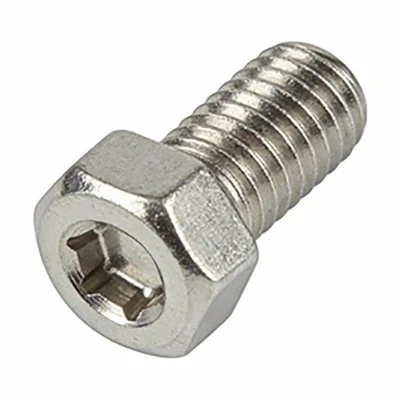
As a supplier of fully threaded bolts, I’ve witnessed firsthand the challenges that come with galling. Galling, also known as cold welding, is a form of wear caused by adhesion between sliding surfaces. When it occurs in fully threaded bolts, it can lead to significant problems, including seizure, damage to the threads, and ultimately, a compromised joint. In this blog post, I’ll share some insights on how to prevent galling in fully threaded bolts based on my years of experience in the industry. Fully Threaded Bolts
Understanding the Causes of Galling
Before we can discuss prevention strategies, it’s important to understand what causes galling in the first place. Galling is primarily caused by the combination of high pressure, friction, and relative motion between the threads of the bolt and the nut or the mating surface. When the surfaces are in contact under high pressure, microscopic asperities (tiny bumps) on the surfaces can weld together. As the bolt is tightened or loosened, these welded areas can break apart, causing material transfer and damage to the threads.
Several factors can contribute to galling, including:
- Material Selection: Some materials are more prone to galling than others. For example, stainless steel, aluminum, and titanium are known to be more susceptible to galling compared to carbon steel. This is because these materials have a tendency to form a thin oxide layer on their surface, which can break down under high pressure and friction, leading to adhesion.
- Surface Finish: A rough surface finish can increase the likelihood of galling. The rough surface provides more asperities for adhesion to occur, and it can also trap debris, which can further exacerbate the problem.
- Lubrication: Insufficient lubrication can lead to increased friction between the threads, making galling more likely. Lubrication helps to reduce friction and prevent direct contact between the surfaces, which can minimize the risk of adhesion.
- Tightening Speed and Torque: Over – tightening or tightening the bolt too quickly can increase the pressure and friction between the threads, increasing the risk of galling. It’s important to use the correct torque specifications and to tighten the bolt gradually.
Prevention Strategies
Material Selection
One of the most effective ways to prevent galling is to choose the right materials for your fully threaded bolts. If you’re working in an environment where galling is a concern, consider using materials that are less prone to galling. For example, coated bolts can provide a smooth, low – friction surface that reduces the risk of adhesion. Zinc plating, for example, can improve the anti – galling properties of carbon steel bolts.
In some cases, using a bolt and nut made from different materials can also help to prevent galling. For example, using a stainless steel bolt with a brass or bronze nut can reduce the likelihood of galling because the different materials have different surface properties and are less likely to adhere to each other.
Surface Finish
A smooth surface finish is essential for preventing galling. When manufacturing fully threaded bolts, it’s important to ensure that the threads have a smooth, polished surface. This can be achieved through processes such as grinding, lapping, or electro – polishing. By reducing the roughness of the surface, you can minimize the number of asperities available for adhesion, thereby reducing the risk of galling.
Inspecting the bolts for any surface defects before use is also crucial. Any scratches, nicks, or roughness on the threads can increase the likelihood of galling. If you notice any defects, it’s best to replace the bolt or to repair the surface before installation.
Lubrication
Lubrication is a simple yet effective way to prevent galling. A good lubricant can reduce friction between the threads, prevent direct metal – to – metal contact, and provide a barrier against corrosion. There are several types of lubricants available for use with fully threaded bolts, including oil – based lubricants, grease, and dry film lubricants.
Oil – based lubricants are commonly used because they provide good lubrication and are relatively inexpensive. However, they can attract dirt and debris, which can cause problems over time. Grease is a thicker lubricant that can provide longer – lasting protection, but it can be more difficult to apply evenly. Dry film lubricants, such as PTFE (polytetrafluoroethylene), are a good option for applications where a clean, low – friction surface is required. They are also resistant to high temperatures and chemicals.
When applying lubricant, it’s important to use the right amount. Too little lubricant may not provide sufficient protection, while too much can cause the bolt to loosen over time. Follow the manufacturer’s recommendations for the appropriate lubricant and application method.
Tightening Procedures
Proper tightening procedures are crucial for preventing galling. Always use a torque wrench to ensure that the bolt is tightened to the correct specification. Over – tightening can cause excessive pressure and friction between the threads, increasing the risk of galling. Under – tightening, on the other hand, can result in a loose joint, which can also lead to problems.
It’s also important to tighten the bolt gradually. Tightening the bolt too quickly can generate heat and increase the friction between the threads, making galling more likely. Start by hand – tightening the bolt until it is snug, and then use the torque wrench to tighten it to the specified torque in a series of small increments.
In addition, if you need to loosen a bolt that has been tightened, do so slowly and carefully. Applying sudden force or using excessive torque can cause galling, especially if the bolt has been in place for a long time.
Quality Control and Inspection
As a fully threaded bolt supplier, quality control is of utmost importance. We implement strict quality control measures at every stage of the manufacturing process to ensure that our bolts meet the highest standards. This includes inspecting the raw materials, monitoring the manufacturing processes, and conducting final inspections on the finished products.
Before shipping our bolts to customers, we perform a series of tests to check for galling resistance. These tests may include torque – tension tests, thread engagement tests, and visual inspections. By ensuring that our bolts are free from defects and have good galling resistance, we can provide our customers with reliable products that will perform well in their applications.
Conclusion

Preventing galling in fully threaded bolts is essential for ensuring the reliability and safety of your joints. By understanding the causes of galling and implementing the prevention strategies discussed in this blog post, you can minimize the risk of galling and extend the service life of your bolts.
Hex Nuts As a supplier of fully threaded bolts, we are committed to providing our customers with high – quality products and excellent service. If you have any questions about our products or need help in preventing galling in your applications, please don’t hesitate to contact us. We would be more than happy to discuss your requirements and provide you with the best solutions.
References
- ASME B18.2.1 – 2017, “Square and Hex Bolts and Screws (Inch Series).”
- ASTM A193/A193M – 21, “Standard Specification for Alloy – Steel and Stainless Steel Bolting Materials for High – Temperature Service.”
- Machinery’s Handbook, 31st Edition, Industrial Press Inc.
Handan Jihao Fastener Co., Ltd.
We’re known as one of the most professional fully threaded bolts manufacturers and suppliers in China. With abundant experience, we warmly welcome you to wholesale customized fully threaded bolts made in China here from our factory. If you have any enquiry about cooperation, please feel free to email us.
Address: A2, Row 31, Feiyu Screw World, Hebei Pu, Linmengguan Town, Yongnian District, Handan City, Hebei Province
E-mail: wenzhaona0@gmail.com
WebSite: https://www.chinaboltnut.com/
