Hey there! I’m a supplier in the DTRO (Disk Tube Reverse Osmosis) system business. One of the most common questions I get from customers is how to determine the dosage of disinfectant in a DTRO system. It’s a crucial aspect because getting it right can keep the system running smoothly and effectively, while getting it wrong can lead to all sorts of problems. So, I thought I’d share my insights on this topic in today’s blog. DTRO
Why Disinfectant is Needed in DTRO Systems
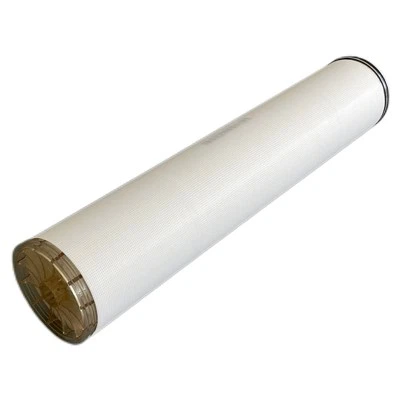
First off, let’s talk about why we even need disinfectant in a DTRO system. DTRO membranes are like the heart of the system, and they’re super sensitive. Microorganisms, such as bacteria, fungi, and algae, can grow on these membranes. When that happens, it can cause biofouling. Biofouling is a big headache because it reduces the system’s efficiency, increases the pressure drop, and can even damage the membranes over time.
Using disinfectant helps to kill off these microorganisms and prevent biofouling. It keeps the membranes clean and allows the DTRO system to operate at its best. But, as I said before, using the right amount of disinfectant is key.
Factors Affecting Disinfectant Dosage
There are several factors that you need to take into account when determining the disinfectant dosage in a DTRO system.
Water Quality
The quality of the feed water is a major factor. If the water has a high level of microorganisms or organic matter, you’ll probably need a higher dosage of disinfectant. For example, if the water comes from a lake or a river where there’s a lot of biological activity, you’re going to have to be more aggressive with the disinfection.
System Size
The size of the DTRO system also matters. A larger system will typically require more disinfectant than a smaller one. This is because there’s more surface area in a bigger system, especially the membrane area where biofouling can occur. So, you need to cover more ground to keep things clean.
Disinfectant Type
Different types of disinfectants have different levels of effectiveness and reactivity. Some common disinfectants used in DTRO systems include chlorine, hydrogen peroxide, and peracetic acid. Chlorine is a popular choice because it’s relatively inexpensive and effective against a wide range of microorganisms. But it can also react with organic matter in the water to form harmful by-products. Hydrogen peroxide is a more environmentally friendly option, but it might not be as potent as chlorine in some cases. Peracetic acid is a strong disinfectant that works quickly, but it can be a bit more expensive.
Operating Conditions
The operating conditions of the DTRO system, such as temperature and pH, can also affect the disinfectant dosage. For example, higher temperatures can increase the reactivity of the disinfectant, which means you might be able to use a lower dosage. On the other hand, if the pH of the water is outside the optimal range for the disinfectant, it might not work as well, and you may need to adjust the dosage accordingly.
Methods to Determine Disinfectant Dosage
Now that we know the factors that affect disinfectant dosage, let’s talk about how to actually determine the right amount.
Initial Testing
The first step is to do some initial testing of the feed water. You can send a sample of the water to a laboratory to get an analysis of its microbial content, organic matter, and other relevant parameters. Based on the results of this analysis, you can get a rough idea of how much disinfectant you might need.
For example, if the lab report shows a high concentration of bacteria in the water, you’ll know that you need to use a relatively high dosage of disinfectant to kill them off.
Pilot Testing
After the initial testing, it’s a good idea to do some pilot testing. This involves setting up a small-scale version of the DTRO system and using different dosages of disinfectant to see how the system responds. You can monitor parameters such as the pressure drop across the membranes, the permeate flow rate, and the microbial count in the system.
By comparing the results of different dosages, you can find the optimal dosage that provides effective disinfection without causing any negative effects on the system.
Continuous Monitoring
Once you’ve determined the initial dosage, it’s important to continuously monitor the system. You can use online sensors to measure parameters such as the residual disinfectant concentration, the microbial count, and the pressure drop. If you notice any changes in these parameters, you can adjust the disinfectant dosage accordingly.
For example, if the residual disinfectant concentration drops below a certain level, it might mean that the dosage is too low, and you need to increase it. On the other hand, if you see an increase in the pressure drop or a decrease in the permeate flow rate, it could be a sign of over – disinfection or biofouling, and you may need to adjust the dosage or take other corrective actions.
Common Mistakes to Avoid
When it comes to determining the disinfectant dosage in a DTRO system, there are a few common mistakes that you should avoid.
Over – Disinfection
Using too much disinfectant can be just as bad as using too little. Over – disinfection can cause damage to the DTRO membranes, reduce their lifespan, and increase operating costs. It can also lead to the formation of harmful disinfection by – products, which can be a health hazard.
Under – Disinfection
On the other hand, under – disinfection won’t effectively prevent biofouling. This can lead to a gradual decrease in the system’s performance, increased maintenance requirements, and ultimately, system failure.
Not Adjusting the Dosage
The water quality and operating conditions of a DTRO system can change over time. If you don’t adjust the disinfectant dosage accordingly, you might end up with either over – or under – disinfection. So, it’s important to regularly review and adjust the dosage based on the actual conditions of the system.
Conclusion

Determining the dosage of disinfectant in a DTRO system is not an exact science, but by considering the factors I’ve mentioned, doing proper testing, and continuously monitoring the system, you can find the optimal dosage that keeps your system running smoothly.
Pure Water System If you’re in the market for a DTRO system or need more advice on disinfectant dosage and other related issues, don’t hesitate to reach out. Our team of experts is always here to help you make the best choices for your specific needs. Let’s have a chat and see how we can work together to get the most out of your DTRO system.
References
- AWWA (American Water Works Association). Water Quality and Treatment: A Handbook of Community Water Supplies.
- Membrane Technology and Applications by Richard W. Baker.
Hangzhou Nanoimp Environmental Technology Co., Ltd.
With abundant experience, we are one of the most professional dtro manufacturers and suppliers in China. Welcome to wholesale high quality dtro in stock here and get pricelist from our factory. We also accept customized orders.
Address: Road 25, Baiyang Street, Qiantang District, Hangzhou City, Zhejiang Province
E-mail: keith.wang@nano-sepmer.com
WebSite: https://www.nanoimp-membrane.com/
